
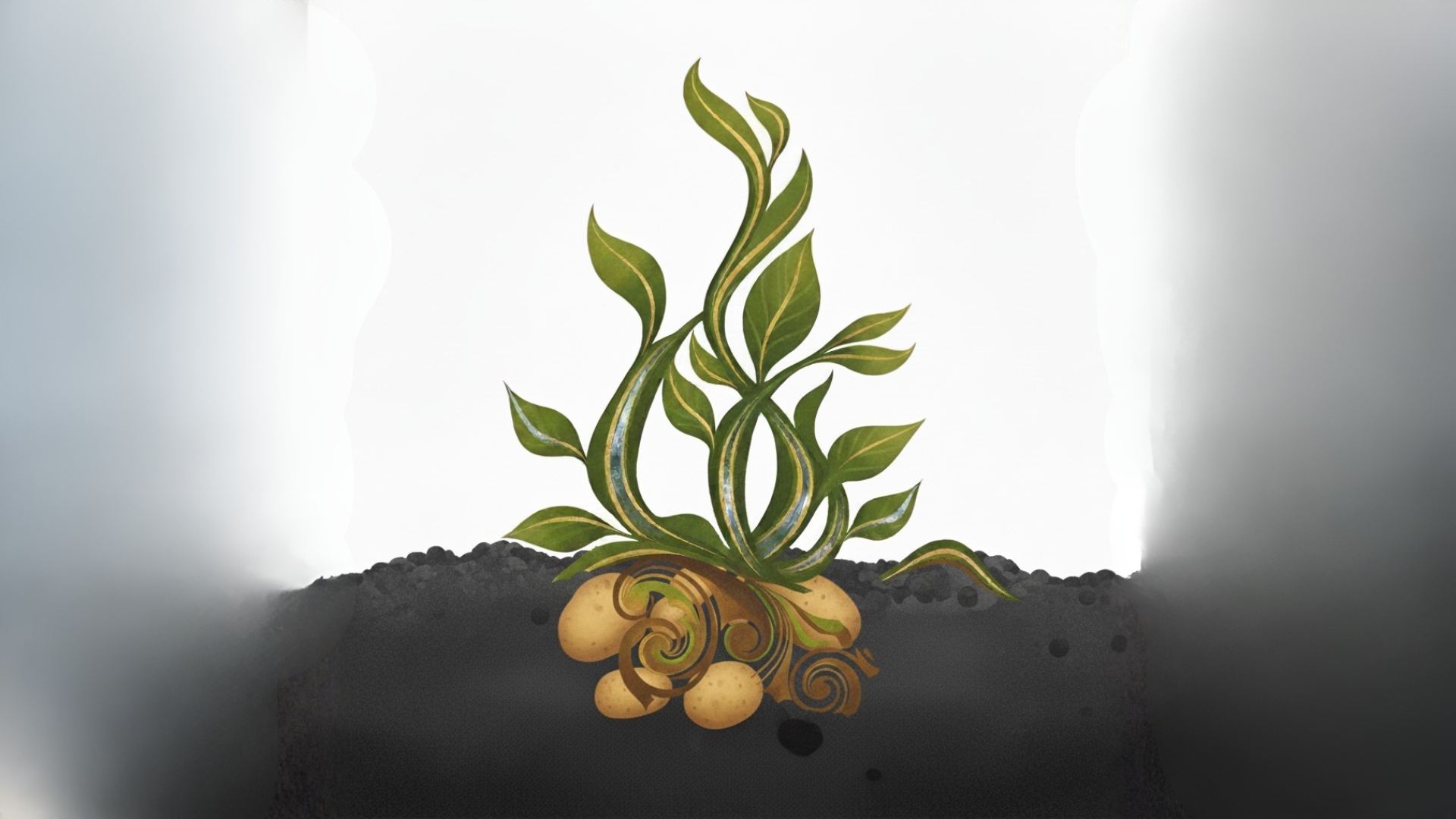
Key Takeaways
- Using a moderate amount of both biocharBiochar is a carbon-rich material created from biomass decomposition in low-oxygen conditions. It has important applications in environmental remediation, soil improvement, agriculture, carbon sequestration, energy storage, and sustainable materials, promoting efficiency and reducing waste in various contexts while addressing climate change challenges. More and vermicompost, alongside standard fertilizer, is the best practical method for growers to achieve high potato yield and quality.
- This optimal combination produced a high quantity of sellable potatoes that was statistically similar to the maximum yield achieved by using the highest, most costly doses.
- The potato quality achieved by this mix met or surpassed the strict quality benchmarks required by industries that make processed foods like chips and fries.
- The yield of large potatoes specifically required for French fry production from this mix was high and comparable to the maximum treatment.
- Increasing the use of these organic materials significantly lowered the undesirable reducing sugar content, which prevents the potatoes from turning brown and potentially becoming harmful when cooked at high temperatures.
The demand for high-quality potatoes that can be easily turned into products like chips and French fries is growing, but much of the potato crop in Bangladesh doesn’t meet these strict processing standards. These standards require potatoes to be dense and dry, which is measured by specific gravity and dry matter content. Most importantly, they must have a very low level of reducing sugar (below 0.30% concentration), which causes the potatoes to brown and can create potentially harmful compounds when fried. To solve this problem, a study by B. R. Biswas and colleagues, published in the Bangladesh Agronomy Journal, investigated a natural, sustainable solution: using biochar and vermicompost alongside standard fertilizers.
The research focused on how two organic soil additives, biochar and vermicompost, could improve the potato crop. Biochar improves the soil’s structure and ability to hold water and nutrients like nitrogen (N), phosphorus (P), and potassium (K). This helps the plants access what they need for robust growth. Vermicompost is a high-quality organic fertilizer created by earthworms breaking down waste. It directly adds essential NPK and other micronutrientsThese are essential nutrients that plants need in small amounts, kind of like vitamins for humans. They include things like iron, zinc, and copper. Biochar can help hold onto these micronutrients in the soil, making them more available to plants. More, improving the soil’s water-holding capacity and overall health.
The combination of both materials and regular fertilizer gives the plants a powerful nutritional and structural advantage. The nutrients dissolve better in the soil, leading to stronger plant growth, increased production of food materials, and ultimately, bigger and heavier potato tubers. The key finding of the study was that the greatest increase in both yield and quality was achieved by combining the organic materials with the recommended fertilizer dose. Specifically, the highest overall yield was from using the maximum amount of 4.5 t ha−1 of both biochar and vermicompost (B4Vm4). However, the researchers noted that a lower dose of 3.0 t ha−1 of both materials (B3Vm3) was just as effective in terms of statistics, producing similar yields and qualities. This means farmers don’t have to waste time and money on the maximum dose to get the best results.
This optimal mix significantly improved the required traits: The potato’s specific gravity and dry matter content reached high levels, proving their suitability for processing. The amounts of harmful reducing sugar dropped consistently with the use of the organic materials, with the B3Vm3 and B4Vm4 mixes successfully keeping the sugar concentration very low, making the potatoes safe and suitable for frying. Ultimately, the research provides a clear, cost-effective recommendation: farmers should use 3.0 t ha−1 of biochar and 3.0 t ha−1 of vermicompost, along with their normal chemical fertilizers, to ensure they grow potatoes that are high in yield and meet the demanding quality standards for processing and export.
Source: Biswas, B. R., Akhter, F., Roy, P., Sarker, U., Roy, A., & Roy, T. S. (2025). Synergistic effects of biochar and vermicompost on yield and quality of potato. Bangladesh Agronomy Journal, 28(2), 46–56.




Leave a Reply