

Clean Energy Technologies, Inc. (CETY) announced it will present its flagship HTAP™ advanced pyrolysisPyrolysis is a thermochemical process that converts waste biomass into bio-char, bio-oil, and pyro-gas. It offers significant advantages in waste valorization, turning low-value materials into economically valuable resources. Its versatility allows for tailored products based on operational conditions, presenting itself as a cost-effective and efficient More platform at the 19th Annual International BiomassBiomass is a complex biological organic or non-organic solid product derived from living or recently living organism and available naturally. Various types of wastes such as animal manure, waste paper, sludge and many industrial wastes are also treated as biomass because like natural biomass these More Conference & Expo in Nashville, Tennessee. The California-based company is actively commercializing this modular technology to convert biomass and organic waste into multiple high-value outputs, including renewable gas, electricity, hydrogen-ready syngasSyngas, or synthesis gas, is a fuel gas mixture consisting primarily of hydrogen and carbon monoxide. It is produced during gasification and can be used as a fuel source or as a feedstock for producing other chemicals and fuels. More, and carbon-rich biocharBiochar is a carbon-rich material created from biomass decomposition in low-oxygen conditions. It has important applications in environmental remediation, soil improvement, agriculture, carbon sequestration, energy storage, and sustainable materials, promoting efficiency and reducing waste in various contexts while addressing climate change challenges. More. This presentation follows a strategic expansion of the platform’s capabilities, including integration with anaerobic digestion facilities to improve the economics of distributed clean energy projects.
A major challenge addressed by the HTAP™ platform is the inherent limitation of standard anaerobic digestion (AD) plants, which often face biogas output constraints due to the low biodegradability of certain organic feedstocks. Furthermore, the industry struggles with the costly management of digestate—the leftover solid and liquid material from the AD process—which can contain over 55% unprocessed volatile solids and requires lengthy composting periods. These inefficiencies frequently restrict the full economic and environmental potential of renewable natural gas (RNG) facilities.
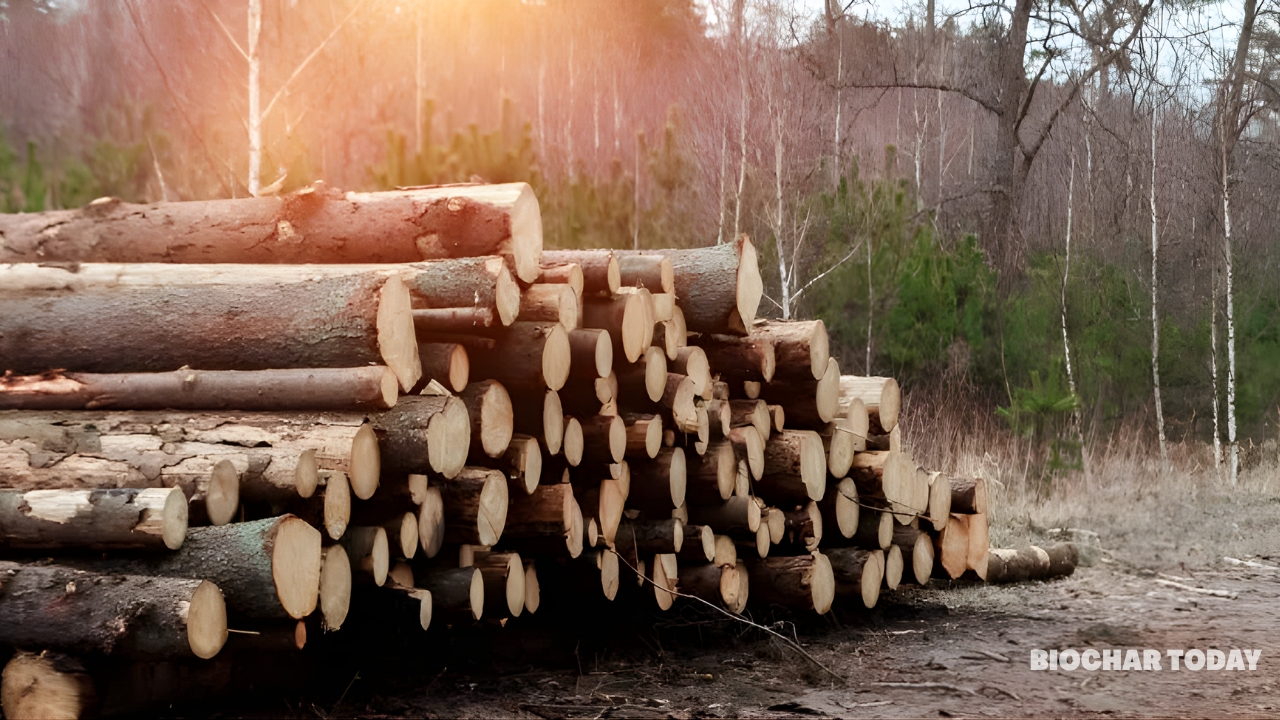
To solve these industry bottlenecks, Clean Energy Technologies Inc. utilizes High Temperature Ablative Pyrolysis (HTAP) to thermochemically convert forestry residues, agricultural waste, and AD digestate into clean syngas. The system employs a dual-vessel reactor where biomass is decomposed into volatiles and biochar, with the biochar itself serving as a cracking catalyst to ensure the production of a clean gas stream. This modular, continuous-feed solution can be deployed at agricultural or industrial sites to process up to 12,000 tons of biomass annually, transforming underutilized waste into revenue-generating energy assets.
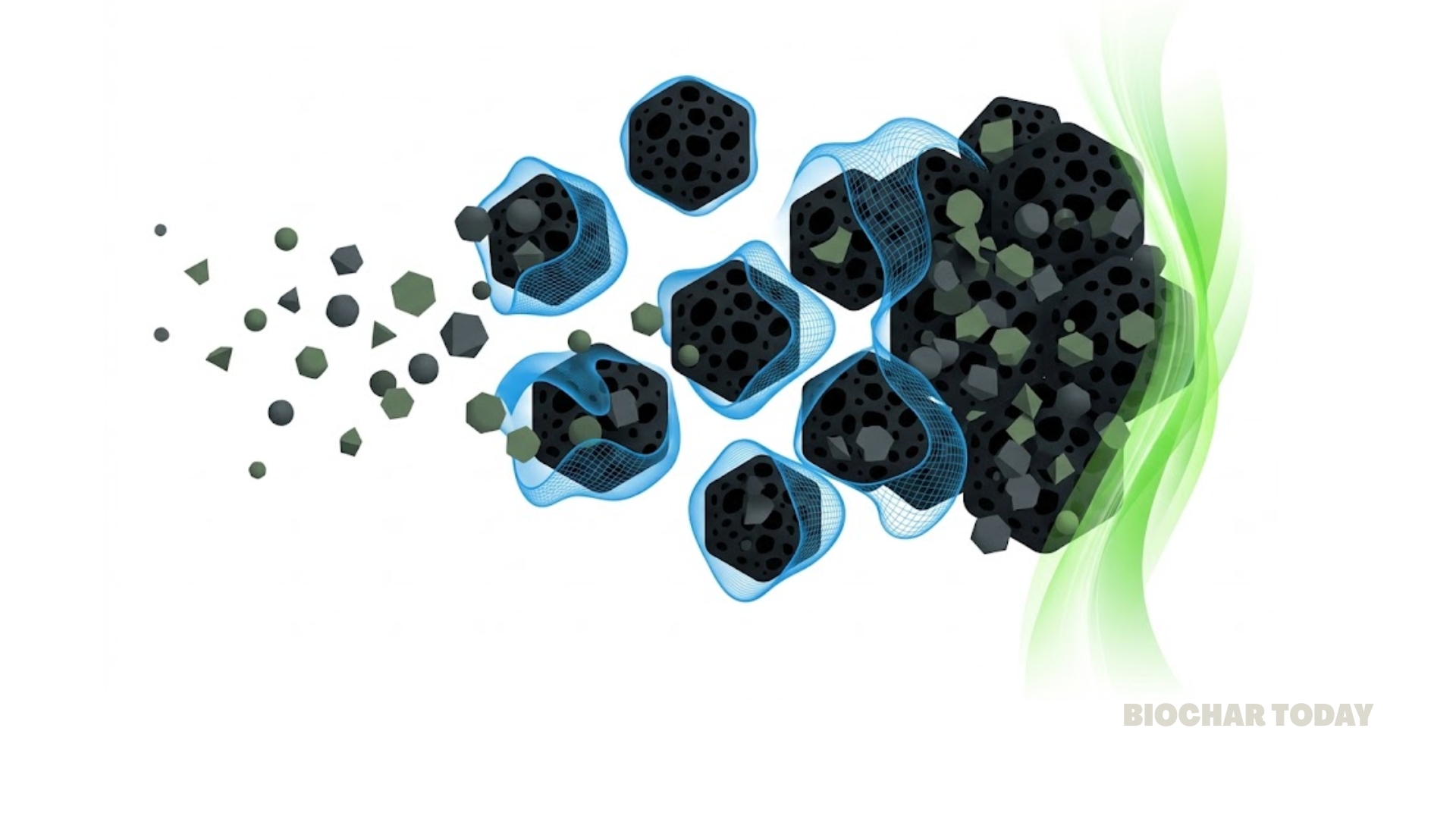
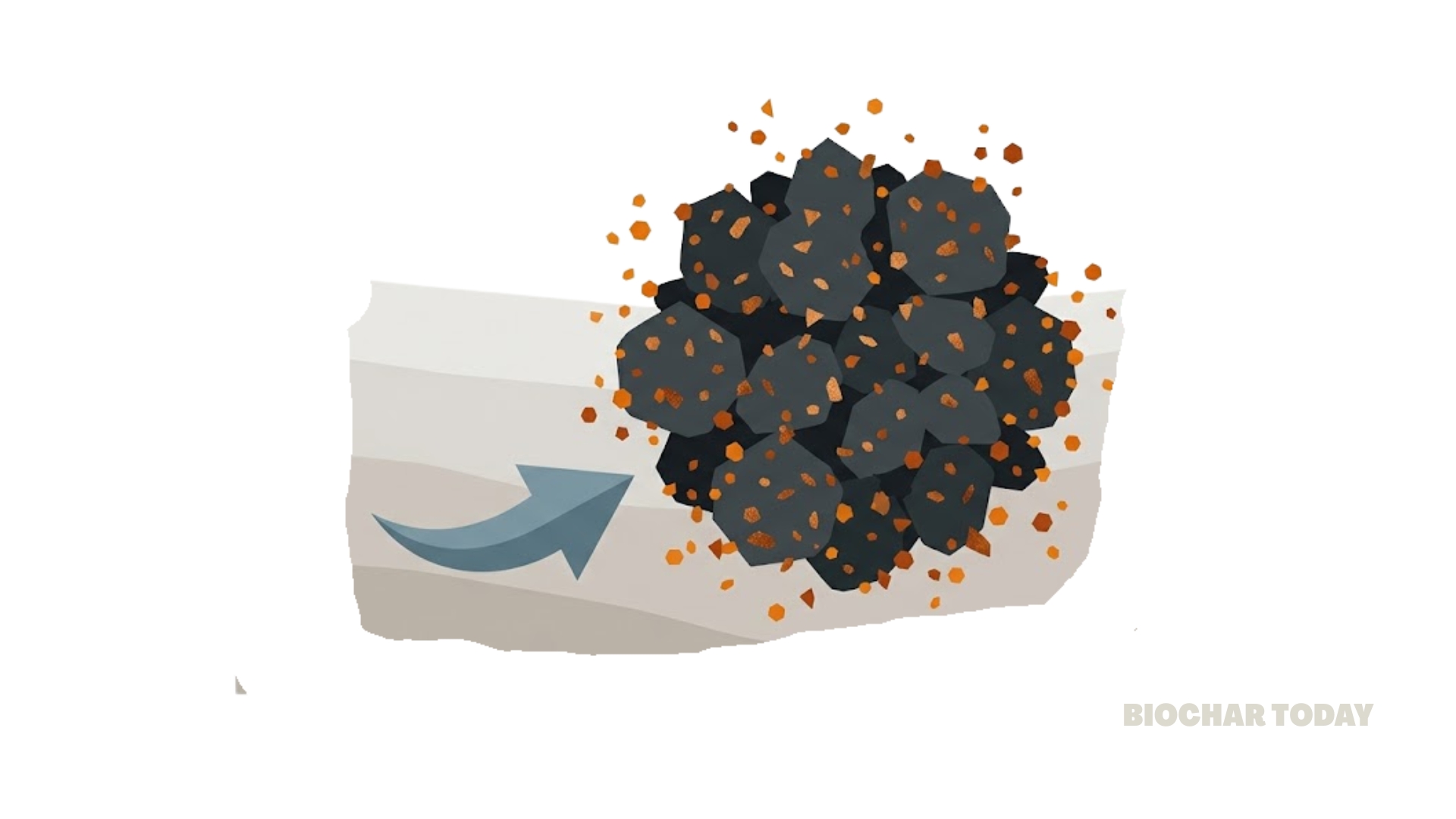
The outcomes of implementing the HTAP™ solution include a substantial increase in energy recovery and financial performance. A single unit can generate more than $3 million in incremental annual RNG value, supporting production equivalent to 13 MMBtu/hour of additional gas or up to 1.6 MW of onsite power. Additionally, the process yields high-porosity biochar that eliminates pathogens and qualifies for carbon sequestration credits, providing a 500-year carbon-negative storage solution. By aligning resource recovery with the energy demands of expanding infrastructure like data centers, CETY is strengthening local grid resilience and advancing global decarbonization targets.

Leave a Reply