

CarbonZero.Eco has officially launched its first commercial-scale biocharBiochar is a carbon-rich material created from biomass decomposition in low-oxygen conditions. It has important applications in environmental remediation, soil improvement, agriculture, carbon sequestration, energy storage, and sustainable materials, promoting efficiency and reducing waste in various contexts while addressing climate change challenges. More production facility in Colusa County, California, marking a significant development in the integration of agricultural waste management and carbon removal. In conjunction with this operational milestone, the company announced a strategic carbon credit purchase agreement with Climeworks, a leader in carbon removal technology. This partnership aims to leverage the new facility to verify and monetize the climate benefits of their operations, effectively linking agricultural production with the global carbon market.
The initiative seeks to help address the massive volume of agricultural biomassBiomass is a complex biological organic or non-organic solid product derived from living or recently living organism and available naturally. Various types of wastes such as animal manure, waste paper, sludge and many industrial wastes are also treated as biomass because like natural biomass these More waste generated annually in California’s Central Valley. Specifically, the region produces approximately 1.5 million tons of almond shells each year. Traditionally, this biomass is either left to decompose or is disposed of through methods that release significant quantities of carbon dioxide and other greenhouse gases back into the atmosphere. Furthermore, the region faces chronic water scarcity and degrading soil health, necessitating interventions that can simultaneously address waste management and agricultural resilience.
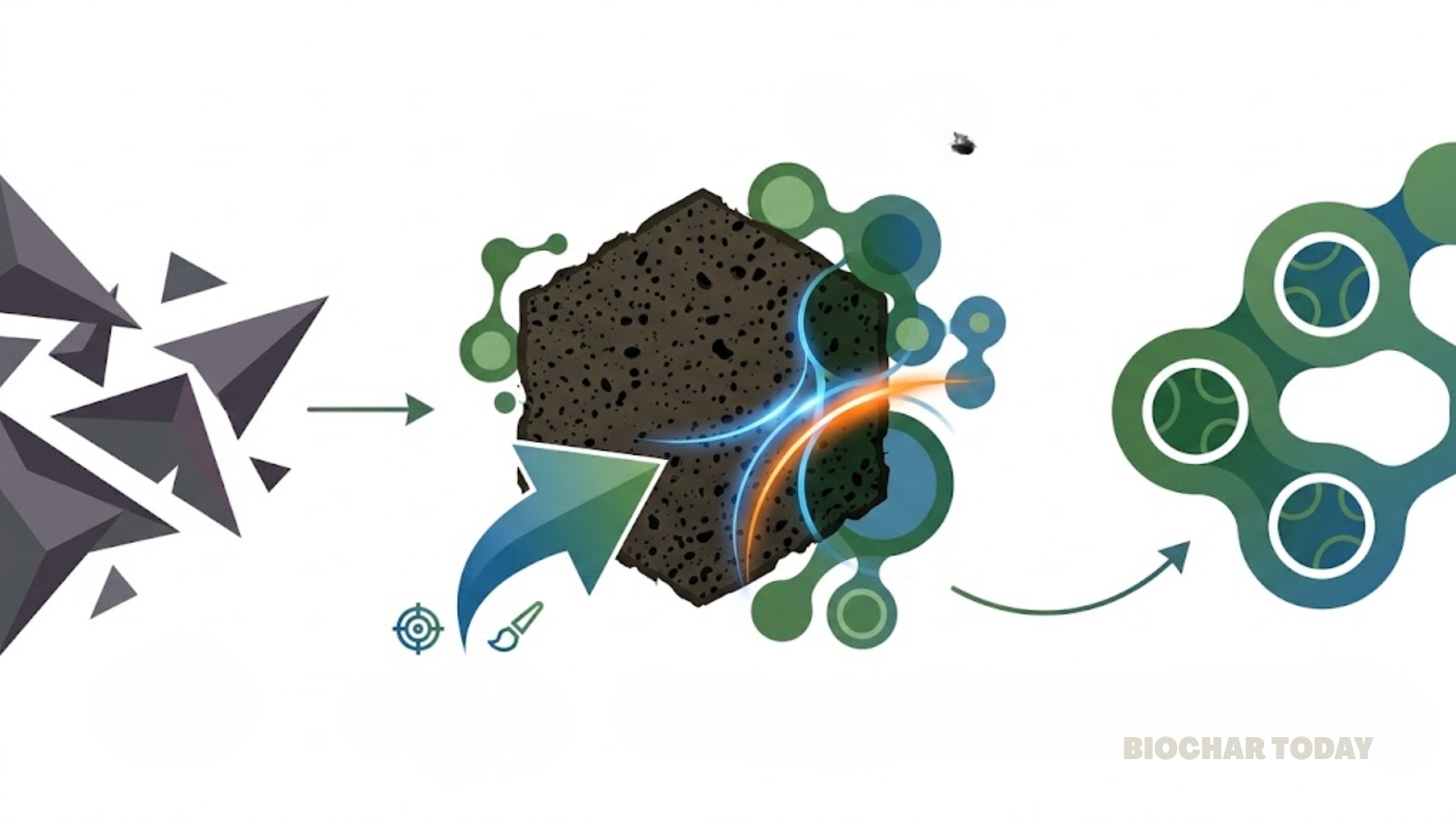
To mitigate these issues, CarbonZero.Eco has implemented a localized solution by siting their biochar plant directly adjacent to existing almond shell stockpiles. This strategic co-location eliminates the emissions and costs associated with transporting feedstockFeedstock refers to the raw organic material used to produce biochar. This can include a wide range of materials, such as wood chips, agricultural residues, and animal manure. More. The facility converts the almond shells into high-quality biochar, which is then distributed back to partner farms to be blended into compost. This creates a circular economy model where waste from one crop cycle is repurposed to enhance the soil for the next, ensuring that the carbon contained within the shells is sequestered rather than released.
The outcomes of this project are multifaceted, offering benefits for both the climate and the local agricultural ecosystem. The application of the resulting biochar is projected to increase soil water retention by 20 percent, a critical threshold for reducing irrigation demands in drought-prone areas. From a climate perspective, the operation targets the mitigation of emissions from the 1.5 million tons of almond waste. The agreement with Climeworks provides a verified pathway for these carbon removal efforts to generate revenue, demonstrating that carbon-negative agriculture can be financially viable.



Leave a Reply