
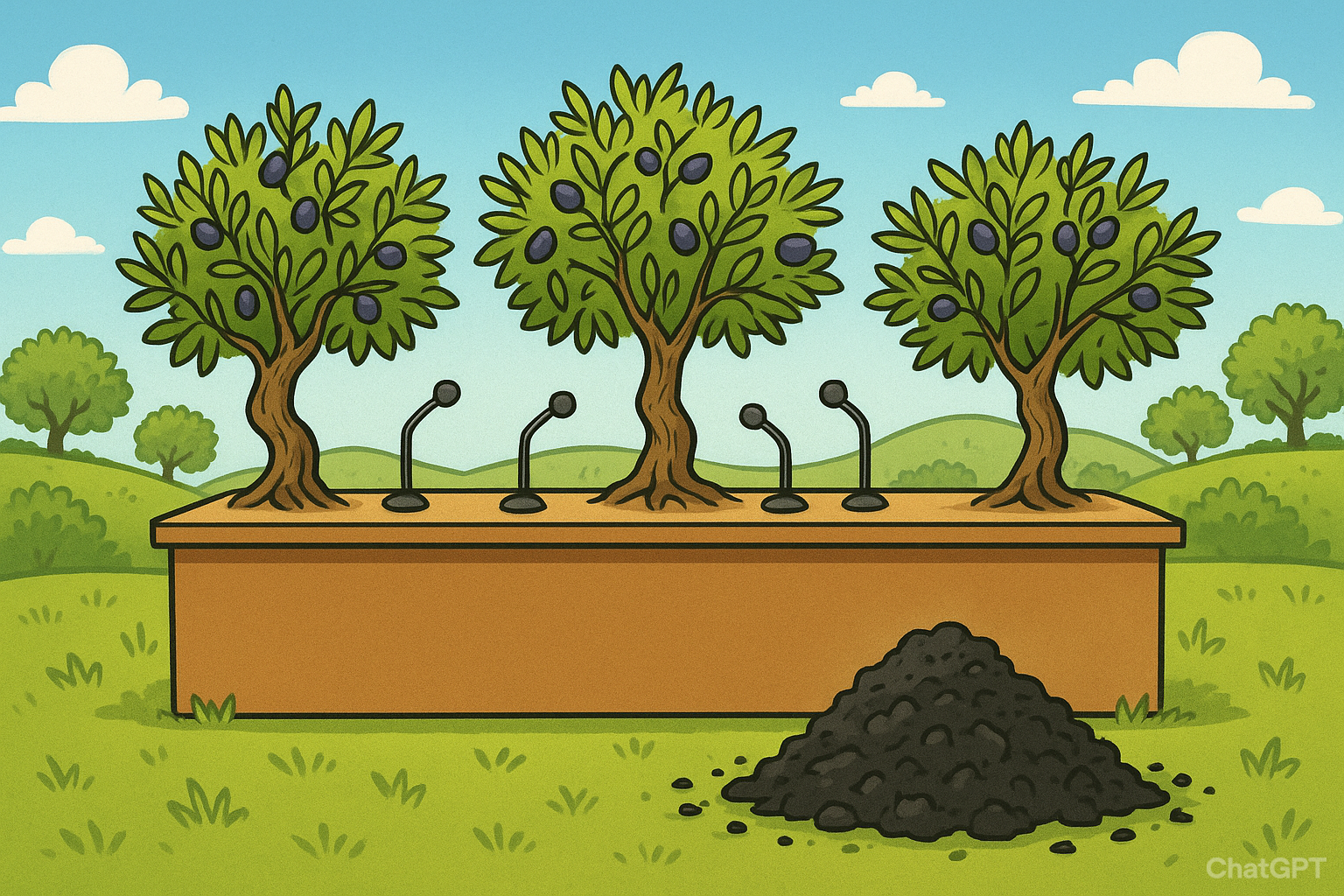
Carboliva presented a talk today at the International Conference on Sustainability in Olive Growing (ICSOC 2025) that focuses on the use of biocharBiochar is a carbon-rich material created from biomass decomposition in low-oxygen conditions. It has important applications in environmental remediation, soil improvement, agriculture, carbon sequestration, energy storage, and sustainable materials, promoting efficiency and reducing waste in various contexts while addressing climate change challenges. More as a solution for both agricultural productivity and climate change. The company, which is the sole Spanish producer of biochar from olive mill byproducts, utilizes a process that turns olive pits and pulp into a biocarbon product. This approach not only provides a valuable use for agricultural waste but also promotes a circular economy within the olive sector.
Key features of the talk centred around circularity within the industry, noting olive Grove’s unique potential to use biomassBiomass is a complex biological organic or non-organic solid product derived from living or recently living organism and available naturally. Various types of wastes such as animal manure, waste paper, sludge and many industrial wastes are also treated as biomass because like natural biomass these More in a closed loop system. There are numerous actors within the olive oil supply chain with some large bodies looking to decarbonize through carbon removals. Biochar could represent an ‘in-house’ solution for this ambition.
Biochar’s porous structure is highlighted for its ability to improve soil characteristics, including compaction, aeration, and permeability. These improvements lead to better water and nutrient retention, which are crucial for plant health. Beyond its agricultural benefits, the biochar also contributes to environmental sustainability by sequestering carbon. The presentation discussed the results of a trial conducted under the European project Soil O-Live. In this trial, Carboliva’s biochar was mixed with compost and applied to olive trees. The results showed a notable increase in olive oil production per tree, ranging from 7% to 24% compared to untreated trees.
This data, along with a detailed explanation of the biocarbon production process and its benefits, was presented by Borja Espuny of Carboliva’s technical department. The company’s work reinforces the potential of using agricultural waste streams to create products that enhance farming practices while providing a method for carbon sequestration.



Leave a Reply