

Key Takeaways
- BiocharBiochar is a carbon-rich material created from biomass decomposition in low-oxygen conditions. It has important applications in environmental remediation, soil improvement, agriculture, carbon sequestration, energy storage, and sustainable materials, promoting efficiency and reducing waste in various contexts while addressing climate change challenges. More acts like a sponge in the ground, increasing soil water content by up to 63% to help plants survive in dry, salty conditions.
- This natural additive can reduce harmful salt levels in the soil by more than half, making the land healthy for farming again.
- Using biochar helps the environment by trapping carbon in the soil for hundreds of years, which helps fight climate change.
- Farmers can see significantly better harvests, as biochar improves plant growth and helps crops better handle salt stress.
- Biochar provides a safe home for beneficial soil microbes, which naturally improves soil fertility and long-term land health
In a comprehensive review published in Land Degradation and Development, Juciane Vieira de Assis Freire and a team of researchers mapped the growing global importance of using biochar to restore lands damaged by high salt concentrations. The study highlights how this carbon-rich material, created by heating organic waste without oxygen, has become a cornerstone of modern sustainable agriculture. By analyzing hundreds of scientific publications from the last decade, the authors demonstrate that biochar is no longer just an experimental additive but a proven solution for reclaiming more than one billion hectares of degraded land worldwide. This research is particularly vital as experts predict that half of all cultivated land may be threatened by salinization by the middle of this century due to climate change and intensive irrigation.
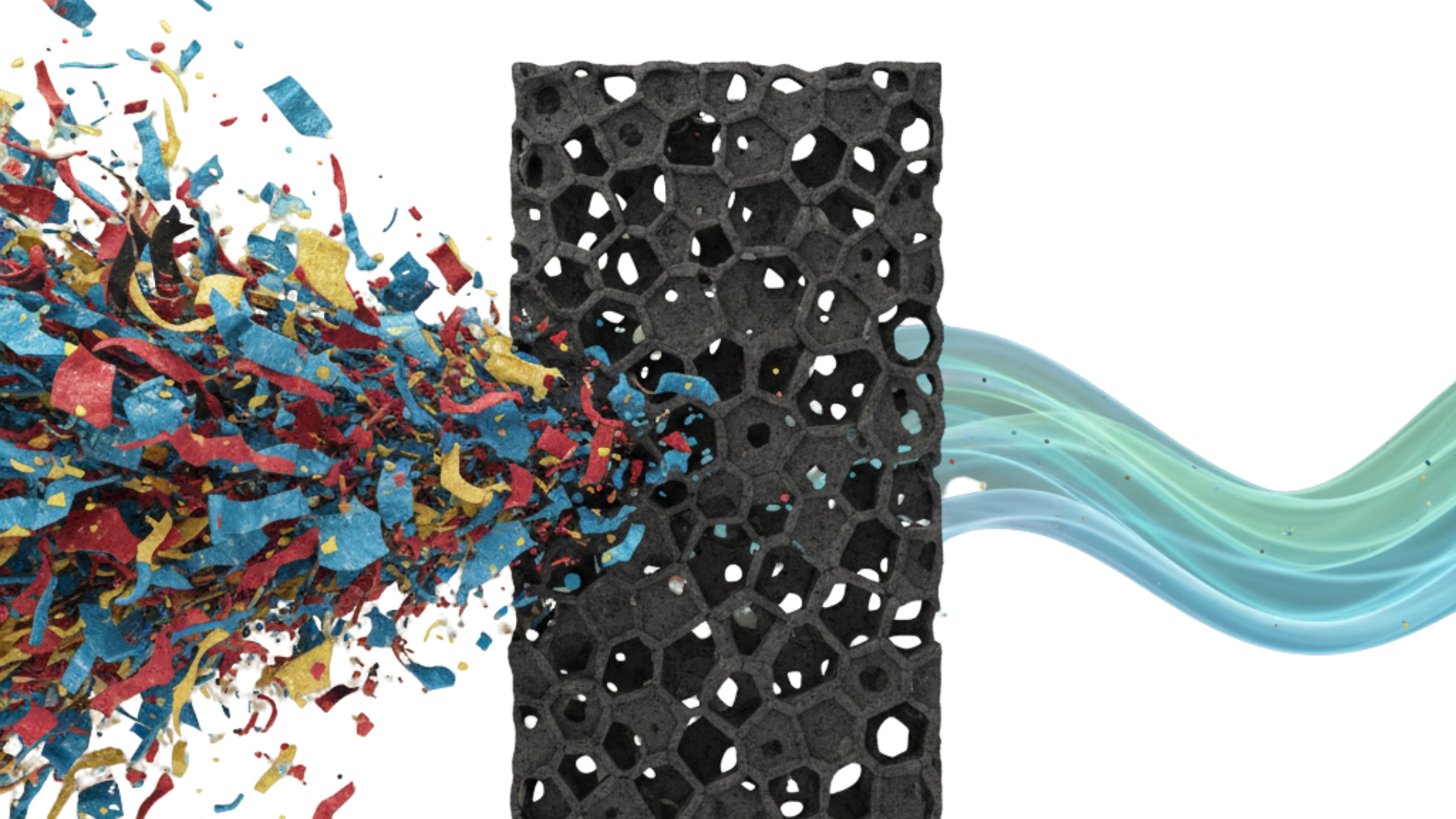
The primary finding of this scientific mapping is the remarkable ability of biochar to physically and chemically transform hostile soil environments into productive farmland. When mixed into saline earth, biochar changes the very structure of the ground, increasing its porosityPorosity of biochar is a key factor in its effectiveness as a soil amendment and its ability to retain water and nutrients. Biochar’s porosity is influenced by feedstock type and pyrolysis temperature, and it plays a crucial role in microbial activity and overall soil health. Biochar More and allowing it to hold significantly more moisture. This extra water helps to dilute harmful salts and prevents them from reaching the sensitive roots of crops. The researchers found that in many cases, this led to a massive decrease in total soluble salts, sometimes by more than half, while simultaneously boosting the presence of helpful minerals like potassium. These structural improvements create a domino effect that enhances soil fertility and allows essential nutrients to stay in the root zone rather than being washed away by rain or irrigation.
Beyond just fixing the soil chemistry, biochar serves as a powerful booster for plant health and agricultural output. The analysis shows that crops like wheat and rice see substantial improvements in growth and physiological performance when biochar is present to mitigate salt stress. This benefit extends to the invisible world of soil biology, where biochar provides tiny protected homes for beneficial bacteria and fungi. These microorganisms thrive in the porous surface of the biochar, helping to cycle nutrients and protect plants from diseases. This biological boost is a key reason why farmers see higher yields even in environments that were previously considered too salty for successful agriculture.
The review also positions biochar as a dual-purpose weapon against environmental degradation and global warming. Because biochar is a stable form of carbon that stays in the soil for hundreds of years, it effectively pulls carbon dioxide out of the atmosphere and locks it away. The researchers noted that the Intergovernmental Panel on Climate Change recognizes this as a key strategy for carbon removal. While China currently leads the world in researching these applications, the findings suggest that the benefits are universal. By converting agricultural waste into biochar, farmers can simultaneously restore their land, produce more food, and contribute to international climate goals. This makes the material a central component of a circular economy where waste is transformed into a valuable resource for planetary health.
Looking toward the future, the study emphasizes that the effectiveness of biochar depends on using the right amount and the right type for specific soil conditions. While moderate applications consistently produce the best results, the research proves that even small additions can start the process of soil recovery. The global scientific community is now shifting its focus toward making these production technologies more affordable and accessible for large-scale use. As salt continues to build up in soils across arid and semi-arid regions, biochar stands out as one of the most promising tools for ensuring global food security. It offers a path forward that aligns the needs of local farmers with the urgent requirement for global environmental sustainability.
Source: Freire, J. V. de A., Souza, D. C. S. de, Silva, L. F. da, Silva, P. P. da, Oliveira, T. H. F. de, Silva, E. F. da, Fernandes, B. C. C., Lima, A. E. de O., Alves, B. S. Q., Silva, D. V., Santos, J. C. S. dos, Carmo, F. R. do, & Melo, R. L. F. (2025). A bibliometric-based review of biochar for salt-affected soil restoration: Mapping research trends and future directions. Land Degradation & Development, 0, 1-23.



Leave a Reply