
Key Takeaways
- BiocharBiochar is a carbon-rich material created from biomass decomposition in low-oxygen conditions. It has important applications in environmental remediation, soil improvement, agriculture, carbon sequestration, energy storage, and sustainable materials, promoting efficiency and reducing waste in various contexts while addressing climate change challenges. More based fertilizers improve corn growth and yield compared to standard urea.
- Slow release mechanisms ensure nutrients remain available for plants over a longer period.
- The use of specialized coatings helps prevent nitrogen loss into the air and groundwater.
- Crops grown with these advanced fertilizers contain significantly higher nutritional protein.
- Coated fertilizers reduce the need for multiple applications which saves labor and costs.
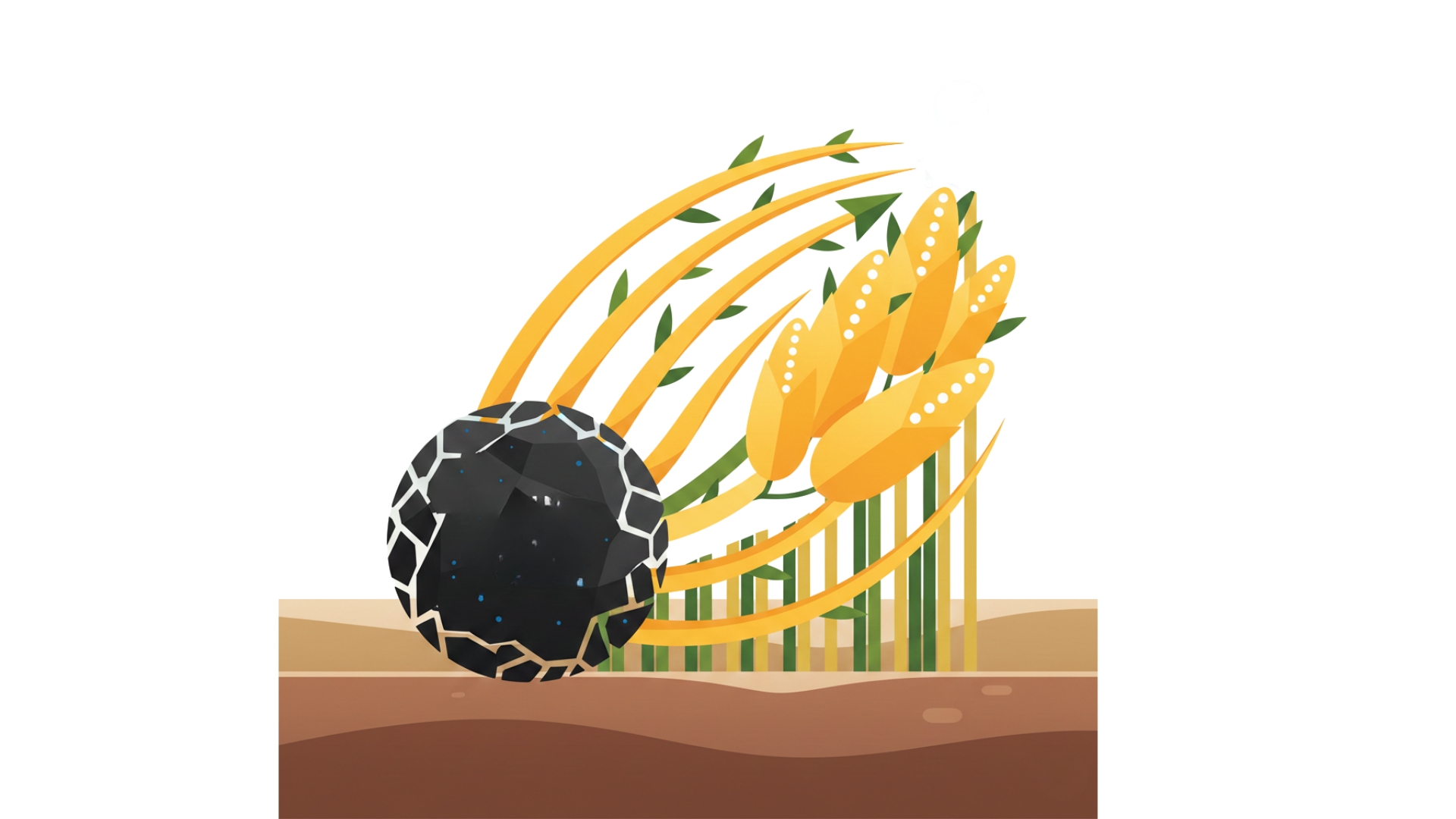
The challenge of cultivating corn in the nutrient-poor Alfisol soils of Madura, Indonesia, has led researchers to explore innovative fertilization strategies that improve both quantity and quality. In a study published in the EPJ Web of Conferences, authors Slamet Supriyadi, Fahmi Arief Rahman, Sinar Suryawati, Nur Chofinah, Urli Holidatul Munawaroh, Nurul Eva Eliya, and Wiwied Fitria Damayanti investigated the potential of Biochar-Based Compound Fertilizer, or BCF-Urea, to address the low nitrogen and organic carbon levels typical of this region. By coating conventional urea with various types of biochar, the team aimed to create a slow-release mechanism that matches nutrient availability with the actual uptake needs of the corn plant.
Traditional urea is highly hygroscopic and dissolves quickly, which often leads to significant nutrient losses through evaporation into the atmosphere or leachingLeaching is the process where nutrients are dissolved and carried away from the soil by water. This can lead to nutrient depletion and environmental pollution. Biochar can help reduce leaching by improving nutrient retention in the soil. More into the groundwater. These losses not only degrade the soil but also limit the amount of nitrogen available for the corn to reach its full growth potential. The research findings indicate that using biochar as a coating material effectively tackles these issues by acting as a binding agent. This process slows the release of nitrogen into the soil, giving the plants more time to maximize absorption. This efficiency is particularly evident during the advanced growth phases of the corn, specifically between thirty-five and forty-nine days after planting, when the demand for nitrogen increases due to rapid cell division and elongation.
One of the most striking results of the study is the impact on the nutritional value of the harvest. Corn treated with biochar-coated urea demonstrated a substantial increase in protein content compared to corn grown with standard urea. Specifically, the protein levels increased by fifty-six to eighty-two percent depending on the type of biochar used, such as rice husk or corn cob. This improvement is attributed to the continuous availability of nitrogen and potentially phosphorus throughout the grain-filling process. When nitrogen remains stable in the soil, the plant can effectively form the amino acids necessary for protein synthesis, resulting in a more nutritious grain.
In addition to quality improvements, the application of these compound fertilizers showed a positive trend in overall crop productivity. The potential yield of the corn was notably higher in the coated treatments, reaching nearly six tons per hectare. This represents a significant improvement over the five tons produced using conventional methods. Interestingly, the study found that the coated fertilizers, which were applied only once, performed just as well as, or better than, the standard urea that required three separate applications. This suggests that biochar-based fertilizers can significantly reduce the labor and costs associated with frequent fertilization while maintaining high productivity.
The benefits of using biochar extend beyond just nutrient delivery; it also serves as a potent soil conditioner. Because biochar has a high surface area and porous structure, it improves the physical properties of the soil and enhances microbial activity. These microorganisms help decompose organic matter and release further nutrients, creating a healthier ecosystem for the roots. Furthermore, the high cation exchange capacity of biochar allows it to efficiently adsorb and release nutrients as the plant needs them. This long-term soil improvement is vital for dryland areas where chemical fertility is naturally low and organic matter is scarce.
Ultimately, the transition to biochar-coated fertilizers offers a dual advantage for corn production in challenging environments. It provides a more efficient way to manage nitrogen, reducing environmental pollution caused by fertilizer runoff and gas emissions. At the same time, it ensures that the crops produced are of higher quality, which is essential for corn’s role as both a staple food and livestock feed. These findings suggest that adopting slow-release fertilization strategies can be a cornerstone for sustainable agriculture in Madura and similar tropical regions, providing farmers with a reliable method to enhance their harvests and improve food security.
Source: Supriyadi, S., Rahman, F. A., Suryawati, S., Chofinah, N., Munawaroh, U. H., Eliya, N. E., & Damayanti, W. F. (2025). Effects of biochar-based compound fertilizer (BCF)-urea on growth, yield, N-uptake and protein content of corn (Zea mays L.) in Madura Alfisol. EPJ Web of Conferences, 344, 01041.



Leave a Reply