
Key Takeaways
- Scientists have developed a way to use agricultural waste, like chestnut shells and vine trimmings, to create a protective “shuttle” for natural medicine in animal feed.
- This new material protects a germ-fighting protein called lysozyme from being destroyed in a piglet’s stomach, allowing it to reach the gut where it is needed most.
- Tests showed that these waste-derived carriers release nearly twice as much of the protective protein in the neutral environment of the intestine compared to the acidic stomach.
- Using this natural technology could help farmers raise healthier animals while significantly reducing the need for traditional antibiotics in livestock.
- This approach turns common farm waste into high-value health products, promoting a cleaner environment and more sustainable food production.
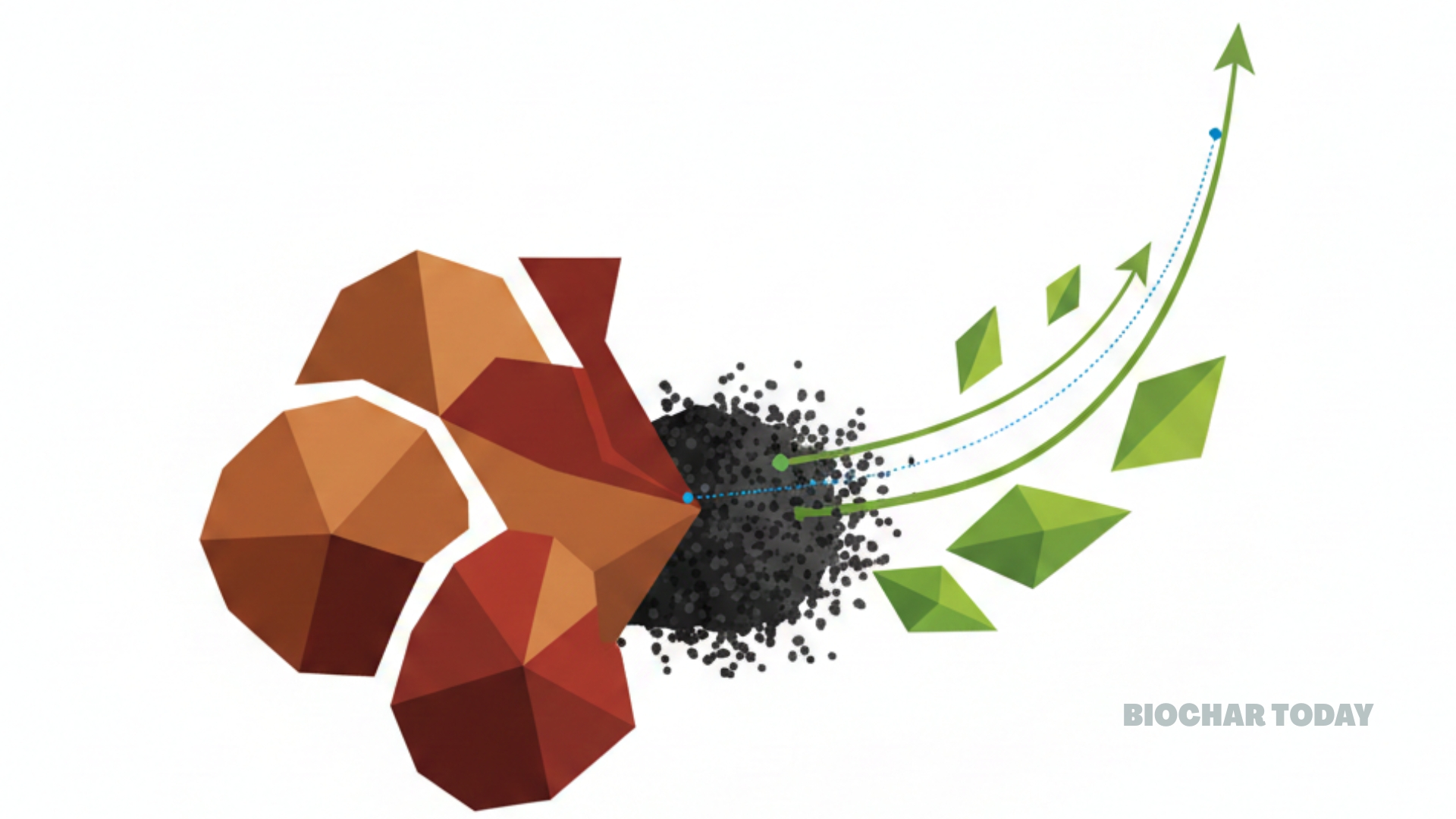
The fight against antimicrobial resistance has pushed researchers to find innovative ways to deliver health-boosting compounds to livestock without relying on traditional antibiotics. In a study published in the journal BiocharBiochar is a carbon-rich material created from biomass decomposition in low-oxygen conditions. It has important applications in environmental remediation, soil improvement, agriculture, carbon sequestration, energy storage, and sustainable materials, promoting efficiency and reducing waste in various contexts while addressing climate change challenges. More, author Marianna Guagliano and a team of researchers explored how common agricultural by-products can be transformed into high-tech delivery systems. Specifically, they looked at chestnut shells and vine pruning waste, turning them into biochar. This carbon-rich material acts as a protective carrier for lysozyme, a natural enzyme found in egg whites that has powerful antibacterial properties. For piglets, especially during the stressful weaning period, getting this enzyme into the gut is vital for preventing disease. However, the harsh acid in the stomach often destroys these proteins before they can do their job. The researchers found that biochar provides an ideal shield, ensuring the protein survives its journey through the digestive system.
The findings revealed that the way biochar is made significantly changes how it interacts with the protein. Biochar from chestnut shells, produced at high temperatures, developed a massive internal surface area—reaching 335 square meters per gram—which is roughly ten times more than the surface area found in biochar made from vine prunings. Despite these structural differences, both materials were highly effective at capturing the target amount of lysozyme, which was determined to be between 21 and 23 milligrams for every gram of biochar. This loading capacity is considered sufficient to meet the daily nutritional needs of a growing piglet. The study suggests that the electrical charges on the surface of the biochar are more important for holding onto the protein than the total number of microscopic pores, allowing the material to be customized regardless of its original source.
One of the most significant results of the research involves how the protein is released once it reaches the animal’s digestive tract. The team simulated the different environments inside a piglet, testing the materials at a very acidic level to mimic the stomach and a neutral level to mimic the intestine. For the chestnut-based carrier, the release of the protein increased by 50 percent when moving from the stomach to the intestinal environment. The vine-based carrier performed even better, showing a 53 percent increase in release capacity in the simulated gut. This pH-dependent behavior is exactly what farmers need: a system that keeps the medicine locked away while in the stomach but opens up to release it once it reaches the target area in the intestine.
This research represents a major step toward a circular bioeconomy, where the waste from one industry—like chestnut peeling or vineyard maintenance—becomes a valuable resource for another. By using these “smart” waste-derived materials, the livestock industry can improve animal welfare and growth rates while minimizing the environmental impact of farm waste. Furthermore, because pigs have a digestive system very similar to humans, these findings offer a promising model for developing new ways to deliver oral medicines and supplements to people. The team concludes that biochar is not just a byproduct of energy production, but a sophisticated tool that can support global public health goals by reducing the agricultural world’s dependence on antibiotics.
Source: Guagliano, M., Reggi, S., Dell’Anno, M., Mostoni, S., Ottani, F., Puglia, M., Dotelli, G., Scotti, R., Pedrazzi, S., Rossi, L., Cristiani, C., & Finocchio, E. (2026). Smart waste-derived materials for feed application: chestnut shells and vine pruning biochar. Biochar, 8(39).



Leave a Reply