
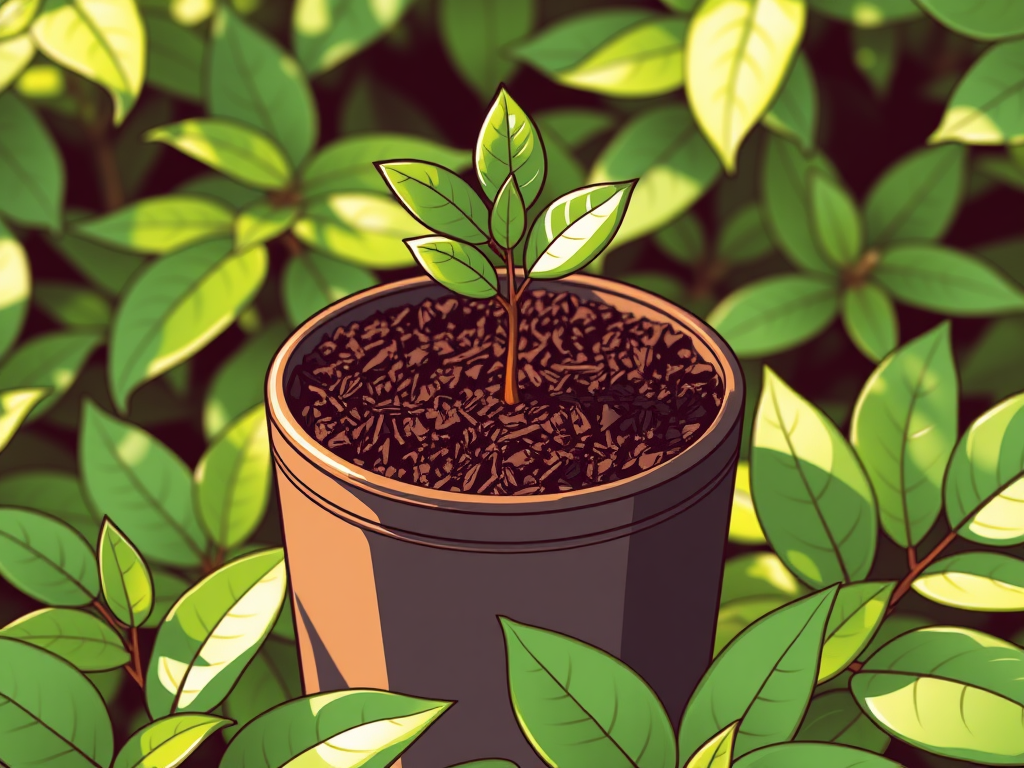
Coffee cultivation generates vast amounts of organic waste, including coffee cherry husks. Researchers Gopinandhan and Channabasamma explored the potential of biocharBiochar is a carbon-rich material created from biomass decomposition in low-oxygen conditions. It has important applications in environmental remediation, soil improvement, agriculture, carbon sequestration, energy storage, and sustainable materials, promoting efficiency and reducing waste in various contexts while addressing climate change challenges. More derived from this waste as a sustainable alternative in nursery potting mixtures. Their study, published in the Journal of Experimental Agriculture International, assessed seedling growth and soil quality in biochar-enriched substrates.
The researchers produced biochar from coffee cherry husks using an electric biomassBiomass is a complex biological organic or non-organic solid product derived from living or recently living organism and available naturally. Various types of wastes such as animal manure, waste paper, sludge and many industrial wastes are also treated as biomass because like natural biomass these More pyrolyzer at 500°C and incorporated it into different nursery potting mixtures. Four treatments were tested: a conventional mixture of jungle soil, farmyard manure, and sand (T1); a biochar-based mix replacing jungle soil (T2); a combination of jungle soil and biochar with sand (T3); and a mixture where biochar substituted sand (T4).
Results indicated that seedlings grown in T1 (traditional mixture) and T4 (biochar replacing sand) exhibited similar growth, while T2 and T3 performed worse. Excessive biochar led to increased soil alkalinity, negatively affecting seedling health. The study concluded that biochar can replace sand at an optimal rate of 2% in nursery mixtures without compromising seedling growth. Additionally, biochar improved soil organic carbon levels, suggesting long-term soil health benefits. This study aligns with broader research on biochar’s role in soil management. Biochar is known for enhancing soil fertility, water retention, and microbial activity while sequestering carbon. However, improper application can alter soil pHpH is a measure of how acidic or alkaline a substance is. A pH of 7 is neutral, while lower pH values indicate acidity and higher values indicate alkalinity. Biochars are normally alkaline and can influence soil pH, often increasing it, which can be beneficial More and nutrient availability. Thus, optimizing biochar usage is crucial for maximizing benefits in agriculture.
The findings provide insights for coffee growers seeking sustainable nursery practices. With increasing concerns over soil degradation and resource depletion, biochar offers an eco-friendly alternative that repurposes agricultural waste while maintaining healthy seedling development. Future studies should examine long-term effects on coffee plantations and explore biochar combinations with other organic amendments.
SOURCE: Gopinandhan, T. N., & Channabasamma, B. B. (2025). Evaluating biochar as a potting mixture substitute: Impacts on coffee seedling growth and soil properties. Journal of Experimental Agriculture International, 47(2), 114-122. https://doi.org/10.9734/jeai/2025/v47i23272





Leave a Reply