
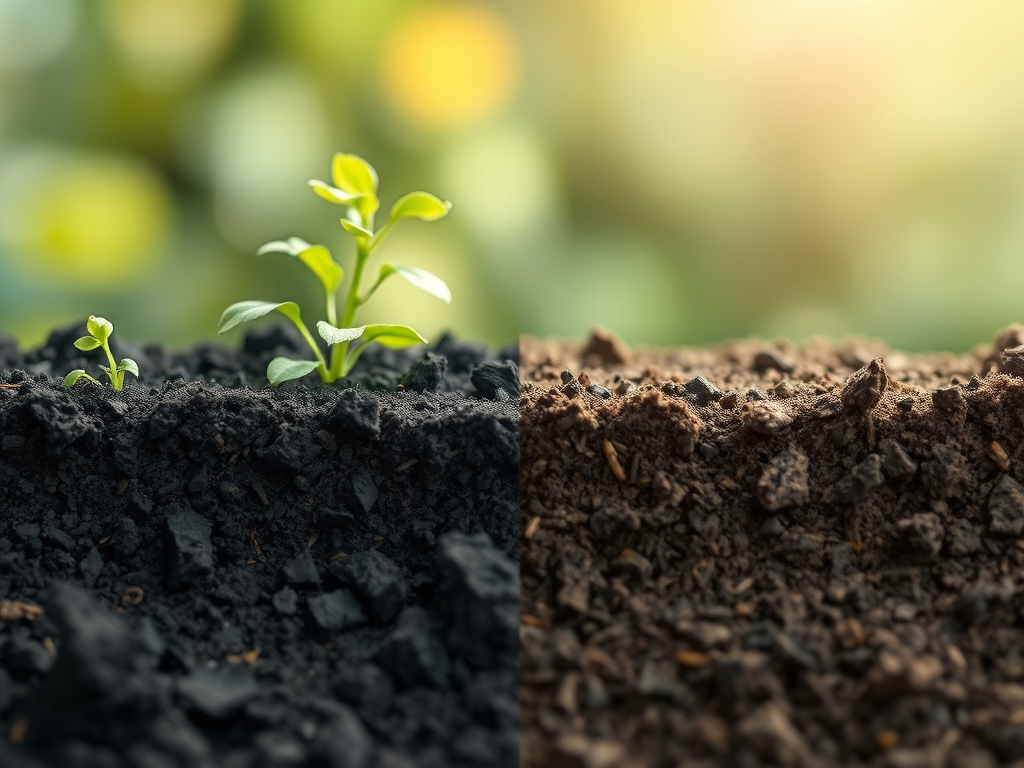
Shaheen et al., in BiocharBiochar is a carbon-rich material created from biomass decomposition in low-oxygen conditions. It has important applications in environmental remediation, soil improvement, agriculture, carbon sequestration, energy storage, and sustainable materials, promoting efficiency and reducing waste in various contexts while addressing climate change challenges. More, reviewed the use of pristine and modified biochar for the remediation of emerging inorganic contaminants (EICs) in soil and water. EICs are a new category of compounds that pose a potential risk to the environment. Biochar is a charcoal-like material produced from the pyrolysisPyrolysis is a thermochemical process that converts waste biomass into bio-char, bio-oil, and pyro-gas. It offers significant advantages in waste valorization, turning low-value materials into economically valuable resources. Its versatility allows for tailored products based on operational conditions, presenting itself as a cost-effective and efficient More of biomassBiomass is a complex biological organic or non-organic solid product derived from living or recently living organism and available naturally. Various types of wastes such as animal manure, waste paper, sludge and many industrial wastes are also treated as biomass because like natural biomass these More, a process that involves heating organic matter in the absence of oxygen. Biochar can be modified to improve its ability to remove EICs from soil and water.
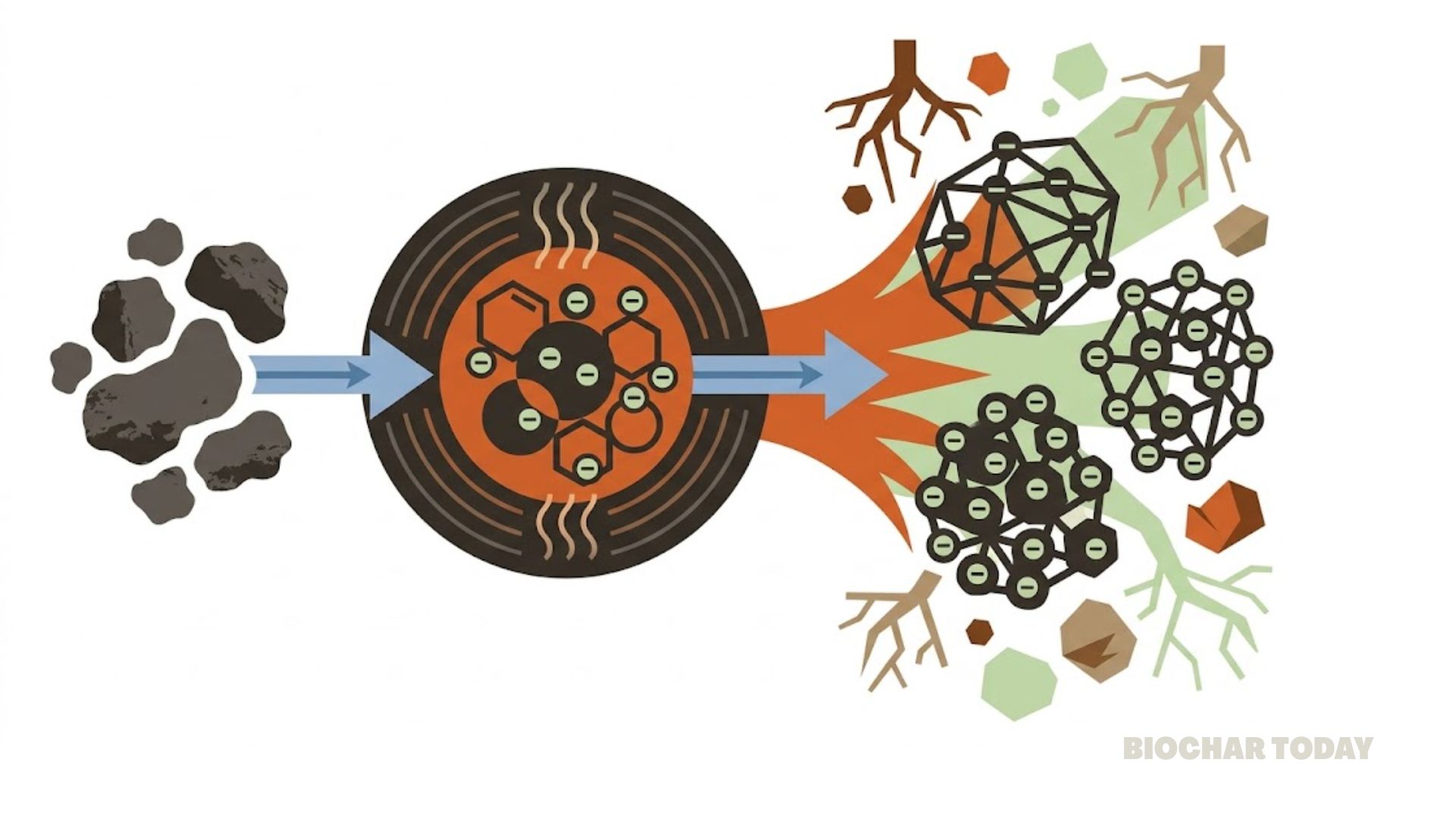
The review discusses the mechanisms by which biochar removes EICs from the environment, including ion exchange, complexation, electrostatic interactions, and precipitation. The authors also discuss the environmental implications of using biochar for remediation.
The work reviewed the use of biochar for the remediation of vanadium-contaminated soil and water. Vanadium is a toxic heavy metal that is released into the environment through natural processes and human activities. Biochar can be used to immobilize vanadium in soil, reducing its bioavailability and the risk of leachingLeaching is the process where nutrients are dissolved and carried away from the soil by water. This can lead to nutrient depletion and environmental pollution. Biochar can help reduce leaching by improving nutrient retention in the soil. More into groundwater. The authors also discussed the use of biochar for the remediation of antimony-contaminated soil and water. Antimony is a potentially toxic metalloid that is released into the environment through natural processes and human activities. Biochar can be used to immobilize antimony in soil, reducing its bioavailability and the risk of leaching into groundwater.
SOURCE: Shaheen, S. M., Ullah, H., Wu, Y., Mosa, A., Fang, Y., Shi, Y.,… & Rinklebe, J. (2025). Remediation of emerging inorganic contaminants in soils and water using pristine and engineered biochar: a review. Biochar, 7(2), 34. https://doi.org/10.1007/s42773-024-00407-1

Leave a Reply