
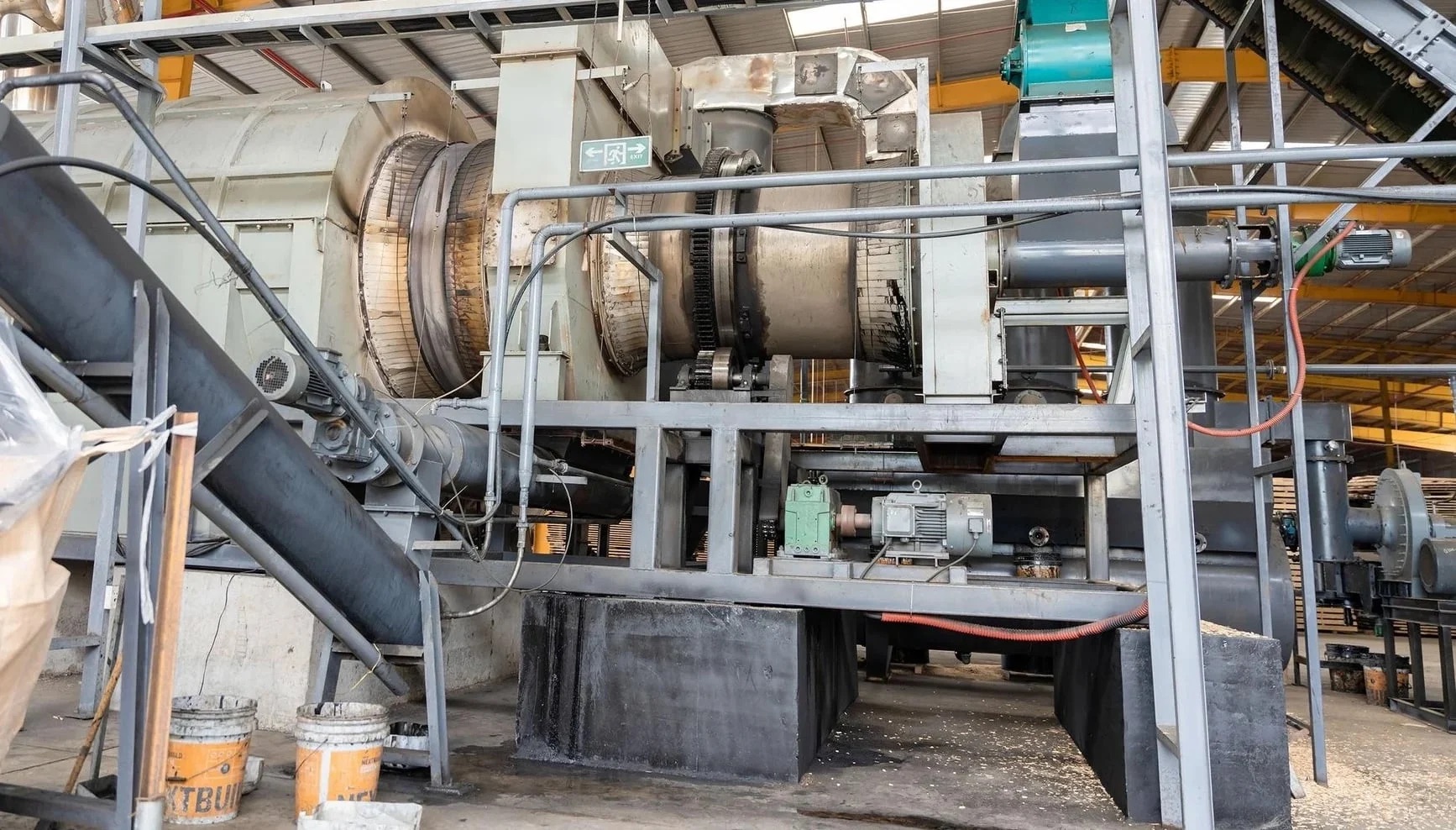
Vietnam’s Bamboo King Vina Joint Stock Company has achieved a significant regulatory milestone with the official registration of its “Bamboo King Vina Biochar” project under the Verified Carbon Standard (VCS) by Verra. Located in Thanh Hoa province, the project marks a pivotal advancement for the Vietnamese private sector in the global carbon market. By converting industrial bamboo waste into biocharBiochar is a carbon-rich material created from biomass decomposition in low-oxygen conditions. It has important applications in environmental remediation, soil improvement, agriculture, carbon sequestration, energy storage, and sustainable materials, promoting efficiency and reducing waste in various contexts while addressing climate change challenges. More, the company is now authorized to generate high-integrity carbon removal credits, representing a major step toward scaling nature-based climate solutions in the region.
The primary challenge addressed by this initiative was the management of substantial biomassBiomass is a complex biological organic or non-organic solid product derived from living or recently living organism and available naturally. Various types of wastes such as animal manure, waste paper, sludge and many industrial wastes are also treated as biomass because like natural biomass these More residuals from large-scale furniture production. The company’s factory processes 1,500 tons of raw material daily, resulting in 800 to 900 tons of waste. Left untreated, this organic matter would typically decompose or enter landfills, releasing significant methane and carbon dioxide into the atmosphere. Additionally, the global carbon market’s demand for data transparency and technical discipline has historically posed a high entry barrier for local enterprises.
To resolve these issues, the company implemented a pyrolysisPyrolysis is a thermochemical process that converts waste biomass into bio-char, bio-oil, and pyro-gas. It offers significant advantages in waste valorization, turning low-value materials into economically valuable resources. Its versatility allows for tailored products based on operational conditions, presenting itself as a cost-effective and efficient More system consisting of six facilities, utilizing internally designed and manufactured equipment to ensure precise process control. The solution includes a “closed-loop” monitoring system to ensure that 100% of the resulting biochar is used specifically for agricultural fertilization. Each batch is meticulously tracked via unique identification numbers, GPS coordinates, and photographic confirmation, supported by formal commitments from local farmers to apply the material within a 12-month window.
The project successfully eliminated methane emissions during the pyrolysis process through a comprehensive thermal decomposition system. Outcomes include the production of a carbon-rich material that enhances soil fertility while providing long-term sequestration of atmospheric CO2. VCS registration allows the company to participate in international carbon markets, creating new revenue streams and supporting local livelihoods. This project serves as a functional model for “negative carbon” initiatives that effectively remove carbon from the atmosphere.


Leave a Reply