

The City of Aurora has partnered with Douglas County in Colorado, USA to advance the development of a new biocharBiochar is a carbon-rich material created from biomass decomposition in low-oxygen conditions. It has important applications in environmental remediation, soil improvement, agriculture, carbon sequestration, energy storage, and sustainable materials, promoting efficiency and reducing waste in various contexts while addressing climate change challenges. More production site. Through an Intergovernmental Agreement (IGA) approved by the Douglas County Board, Aurora Water committed a $100,000 investment to support what is slated to be the nation’s first county-operated biochar facility. This collaboration highlights a growing trend of regional cooperation aimed at addressing environmental resilience and resource management through shared infrastructure and funding.
As local governments undertake essential wildfire mitigation projects, they face the logistical and economic burden of managing large volumes of “slash”—the woody plant waste generated during forest thinning. Left unmanaged, this vegetation can fuel fires, posing severe risks to local communities and critical water supplies. Furthermore, maintaining healthy watersheds is essential for naturally filtering and storing clean drinking water, a necessity that creates urgency for effective forestry management solutions.
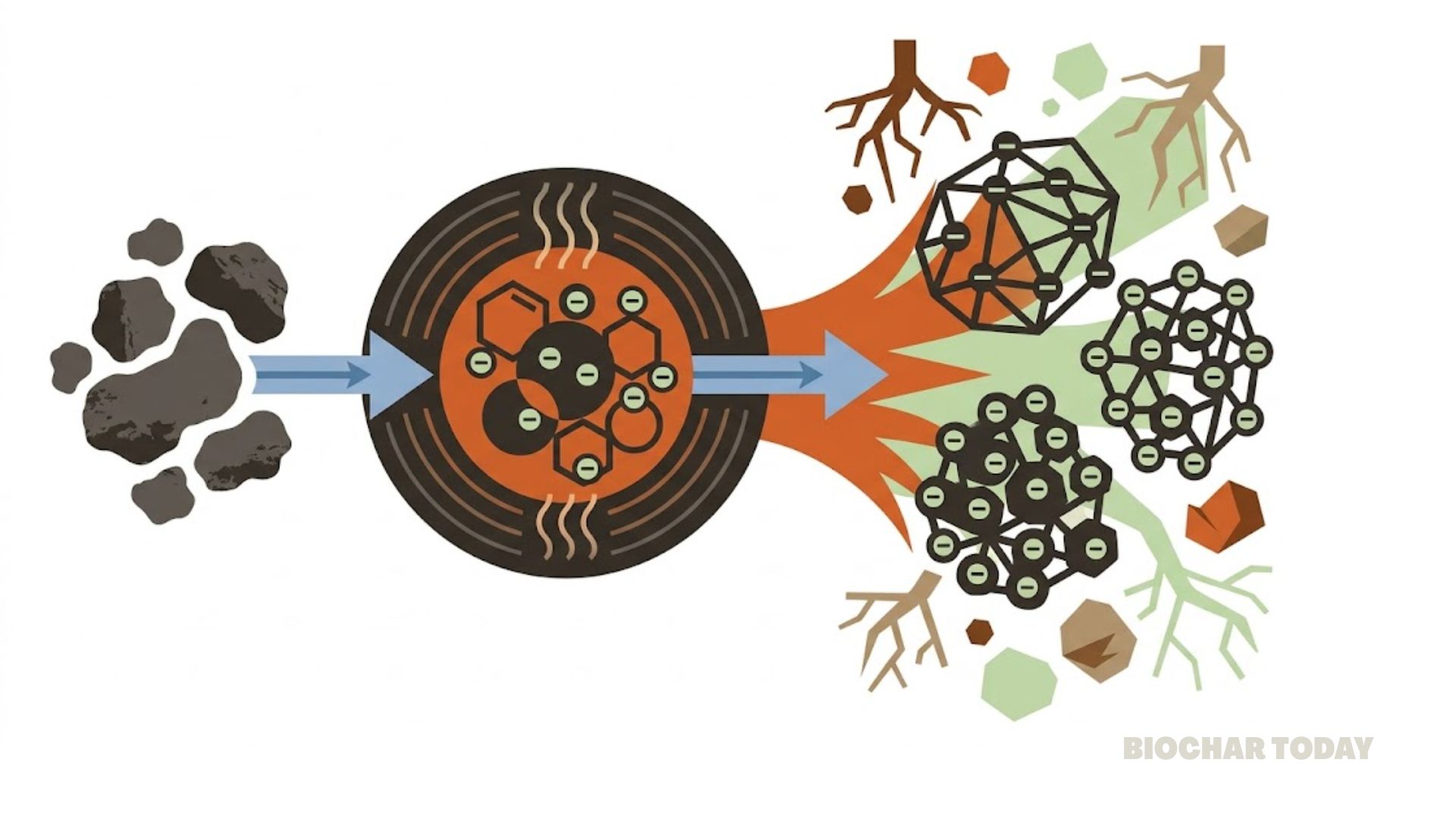
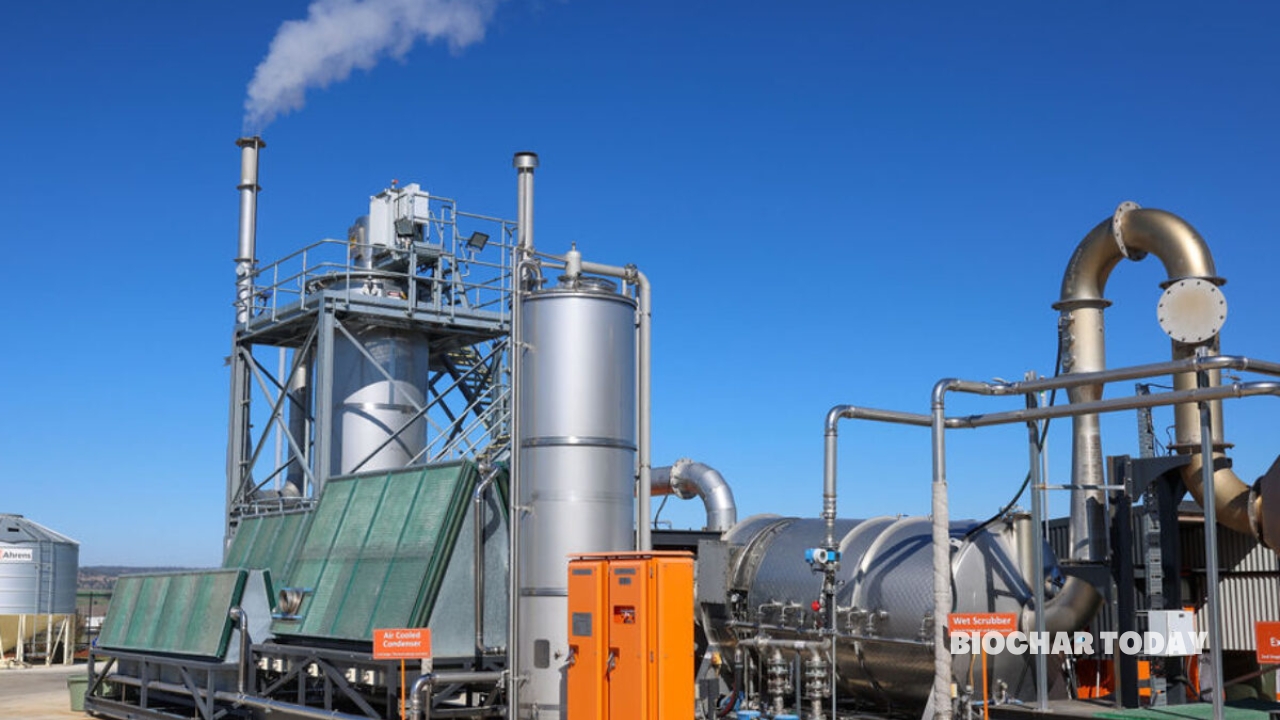
To address these issues, Douglas County is establishing a regional biochar and waste diversion site designed to process forestry waste into value-added material. The facility will utilize a process that heats woody plant waste in a low-oxygen environment to produce biochar. This method transforms fire-prone vegetation into a stable, carbon-rich resource. The financial contribution from Aurora Water under the IGA underscores the facility’s role not just in waste management, but as a strategic asset for protecting water quality. By converting potential fuel loads into biochar, the project provides a functional outlet for mitigation debris while creating a product that can further support environmental goals.
Scheduled to open in 2026, the facility is expected to deliver multiple operational and environmental outcomes. It aims to increase the scale of wildfire mitigation efforts while reducing the costs associated with waste removal and forest management. The resulting biochar will serve as a resource for improving soil health, filtering contaminants, and reducing water usage in agriculture. Additionally, the site is planned to function as a waste diversion hub for yard waste and other materials. For the biochar industry, this project illustrates the value of municipal and county-level partnerships. It demonstrates how aligning the objectives of water utilities and land management agencies can secure necessary capital and political support for biochar infrastructure.



Leave a Reply