
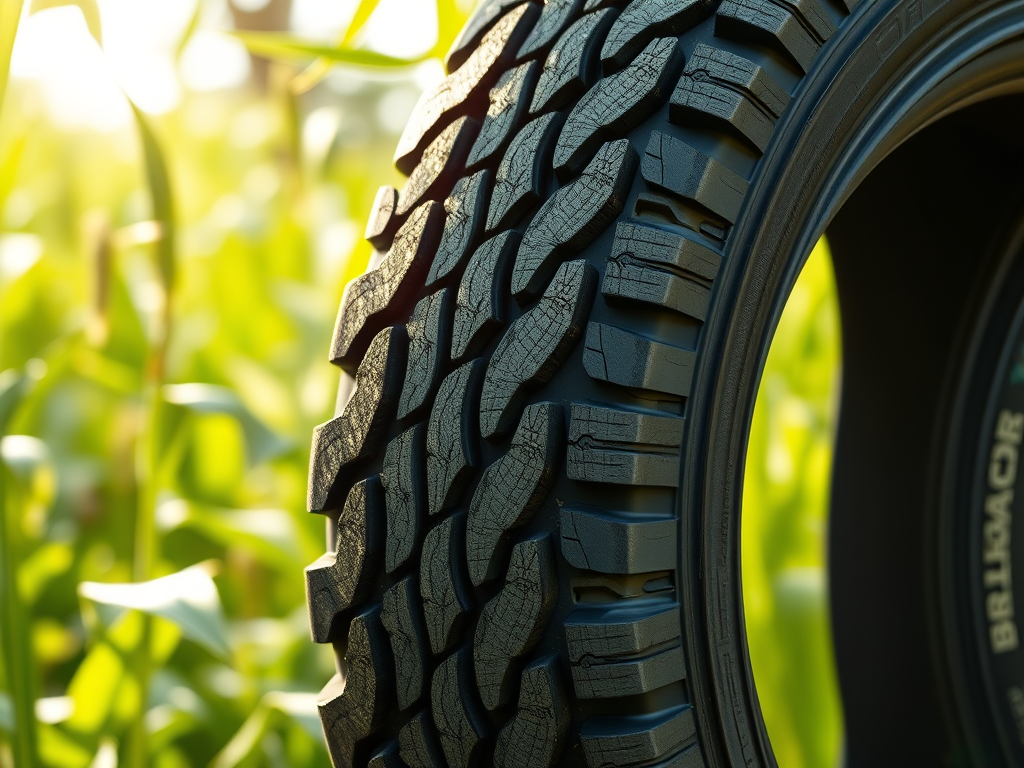
In a world increasingly focused on sustainability, researchers are seeking greener alternatives to fossil-fuel-derived materials, and the tire industry is no exception. A new study by C. Di Bernardo, M. Messori, and C. Noè, published in the journal ACS Sustainable Chemistry & Engineering, rethinks the role of a key component in tire manufacturing: the reinforcing filler. Historically, tires have relied on carbon black, a petroleum byproduct, to provide the necessary strength and durability. However, the production of carbon black is a significant contributor to greenhouse gas emissions. This research explores the promising alternative -biochar. The findings suggest that with the right preparation, biocharBiochar is a carbon-rich material created from biomass decomposition in low-oxygen conditions. It has important applications in environmental remediation, soil improvement, agriculture, carbon sequestration, energy storage, and sustainable materials, promoting efficiency and reducing waste in various contexts while addressing climate change challenges. More can serve as a viable and sustainable replacement, offering high-performance properties that rival conventional fillers.
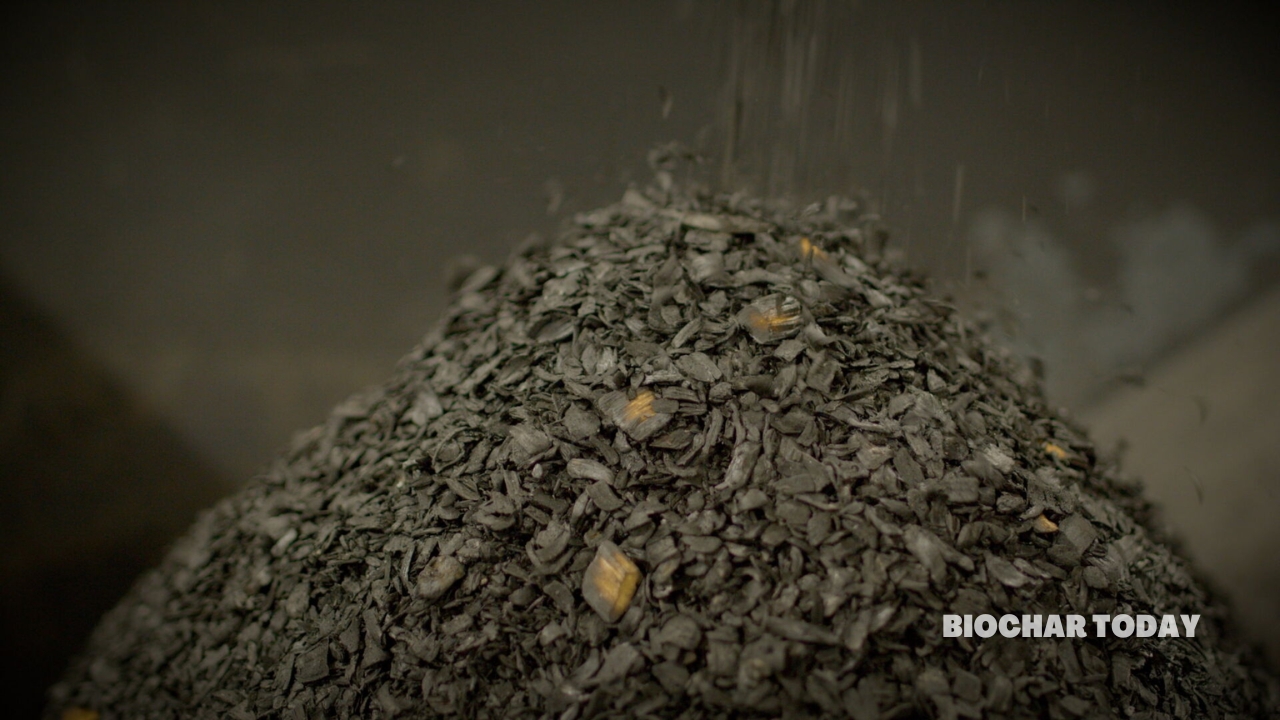
The challenge with using biomass-derived materials like biochar is that they don’t behave like traditional fillers. In conventional carbon black, the reinforcement of rubber is primarily determined by its particle size and surface area. With biochar, the researchers found a different mechanism at play. Instead of simple surface interactions, the reinforcement is a result of the biochar’s unique mesoporous structure and the presence of specific oxygen-containing surface groups. These groups create a chemical and structural entanglement with the rubber polymer, which is crucial for overall performance. The study tested three different biochar sources—oilseed rape straw, miscanthus straw, and softwood pellets—to understand how their distinct properties affected the final rubber composites. They also varied the amount of biochar from 30 to 70 parts per hundred rubber (phr), a common industry measure.
The results demonstrated that oilseed rape straw biochar pyrolyzed at 700°C ( OSR700) was the clear winner. This biochar exhibited optimal dispersion within the rubber, leading to superior adhesion between the filler and the polymer matrix. The researchers found that composites made with this specific biochar showed an excellent balance between strength and toughness. The most striking quantitative finding was the achievement of a tensile strength of 3.8 MPa and a toughness of 1380 MJ m⁻³, values that make this material a strong candidate for future tire applications. In contrast, the softwood-derived and lower-temperature biochars performed poorly, showing limited reinforcement because of an unfavorable pore size or being too hydrophilic. The mechanical tests confirmed that these materials did not provide the required reinforcement and that their performance was almost negligible compared to the conventional carbon black.
The study also looked at the “Payne effect,” a technical term used to describe how the stiffness of a filled rubber compound changes with strain. This effect is a key indicator of filler-polymer interaction. The researchers found that the oilseed rape straw biochar showed a retarded network collapse compared to other samples, indicating a more stable and balanced network within the composite. This suggests that the unique surface chemistry and structure of this biochar are more effective at integrating with the rubber at a fundamental level, leading to the observed improvements in tensile strength and toughness. The findings extend beyond tires, providing valuable insights for the development of sustainable composites and green polymer engineering. Ultimately, this research provides a clear roadmap for creating high-performance tires with a significantly reduced environmental impact by using tailored biochar as a sustainable alternative to carbon black.
SOURCE: Di Bernardo, C., Messori, M., & Noè, C. (2025). Rethinking Biochar Reinforcement Role in Elastomer Composites for Greener Tire Manufacture. ACS Sustainable Chemistry & Engineering.


Leave a Reply