
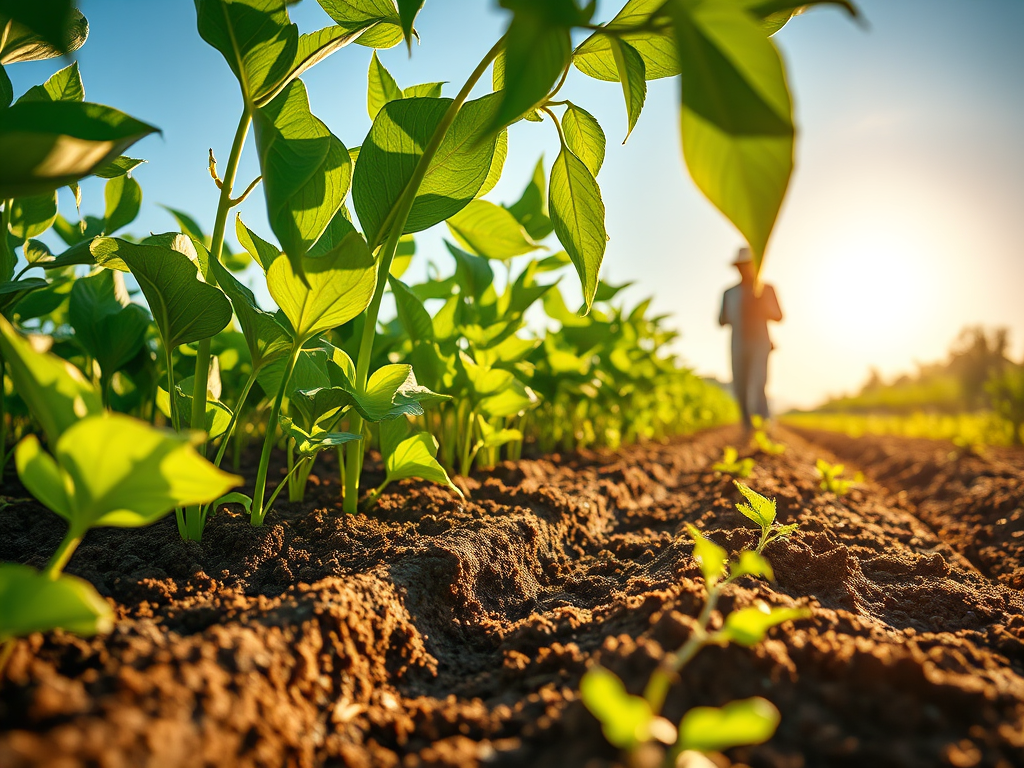
In the age of climate change and food security challenges, agriculture faces immense pressure to increase yields while reducing environmental impacts. A comprehensive review published in Biology and Fertility of Soils by Palansooriya et al. strongly advocate that biochar-based controlled-release fertilizers (BCRFs), is a groundbreaking innovation reshaping modern farming. Have a look at this great piece of science!!
BiocharBiochar is a carbon-rich material created from biomass decomposition in low-oxygen conditions. It has important applications in environmental remediation, soil improvement, agriculture, carbon sequestration, energy storage, and sustainable materials, promoting efficiency and reducing waste in various contexts while addressing climate change challenges. More, a carbon-rich material produced from organic waste through pyrolysisPyrolysis is a thermochemical process that converts waste biomass into bio-char, bio-oil, and pyro-gas. It offers significant advantages in waste valorization, turning low-value materials into economically valuable resources. Its versatility allows for tailored products based on operational conditions, presenting itself as a cost-effective and efficient More, is celebrated for its nutrient retention capabilities. BCRFs combine this marvel with precise nutrient release technology, ensuring plants receive what they need when they need it. Unlike traditional fertilizers that often result in runoff and pollution, BCRFs slow down nutrient release, reducing leachingLeaching is the process where nutrients are dissolved and carried away from the soil by water. This can lead to nutrient depletion and environmental pollution. Biochar can help reduce leaching by improving nutrient retention in the soil. More and enhancing soil health.
Studies reveal that BCRFs improve nitrogen use efficiency by up to 58.8% and crop yields by over 50% compared to conventional fertilizers. Beyond productivity, they address critical environmental concerns. By stabilizing organic carbon in the soil, BCRFs contribute to long-term carbon sequestration, effectively combating greenhouse gas emissions. The journey of BCRF production is fascinating, involving techniques like nutrient impregnation, granulation, and hydrothermal synthesis. These methods ensure the fertilizers are tailored to meet specific agricultural needs. However, challenges like economic scalability and regulatory frameworks remain, requiring collaborative efforts across science, policy, and industry. For farmers, the benefits are tangible: healthier soils, better yields, and a reduced ecological footprint. As consumers, we all stand to gain from this sustainable leap in agriculture.
Our take
BCRFs represent the future of farming. They not only address immediate agricultural challenges but also align with global sustainability goals. By investing in research and advocating for policies that support their adoption, we can unlock their full potential. The road ahead promises greener fields and a healthier planet. Let’s step into the future, one biochar particle at a time!
SOURCE: Palansooriya, Kumuduni Niroshika, et al. (2025).Biochar-based controlled-release fertilizers for enhancing plant growth and environmental sustainability: a review. Biology and Fertility of Soils .https://doi.org/10.1007/s00374-025-01888-3


Leave a Reply