

I recently had the opportunity to speak with Joseph Taouk, the founder of Waste Circology, an Australian firm developing innovative waste processing technologies. During our discussion, Taouk offered valuable insights into their approach and potential impact on the waste management and resource recovery sectors.
Taouk’s entry into this field was somewhat unconventional. With a background in civil and structural engineering, his initial involvement stemmed from funding a research project focused on advanced waste treatment methods. Following a dispute, Taouk undertook significant personal research to understand and further develop the core technology. This journey highlights a common theme within the cleantech space, where individuals from diverse backgrounds often drive innovation.
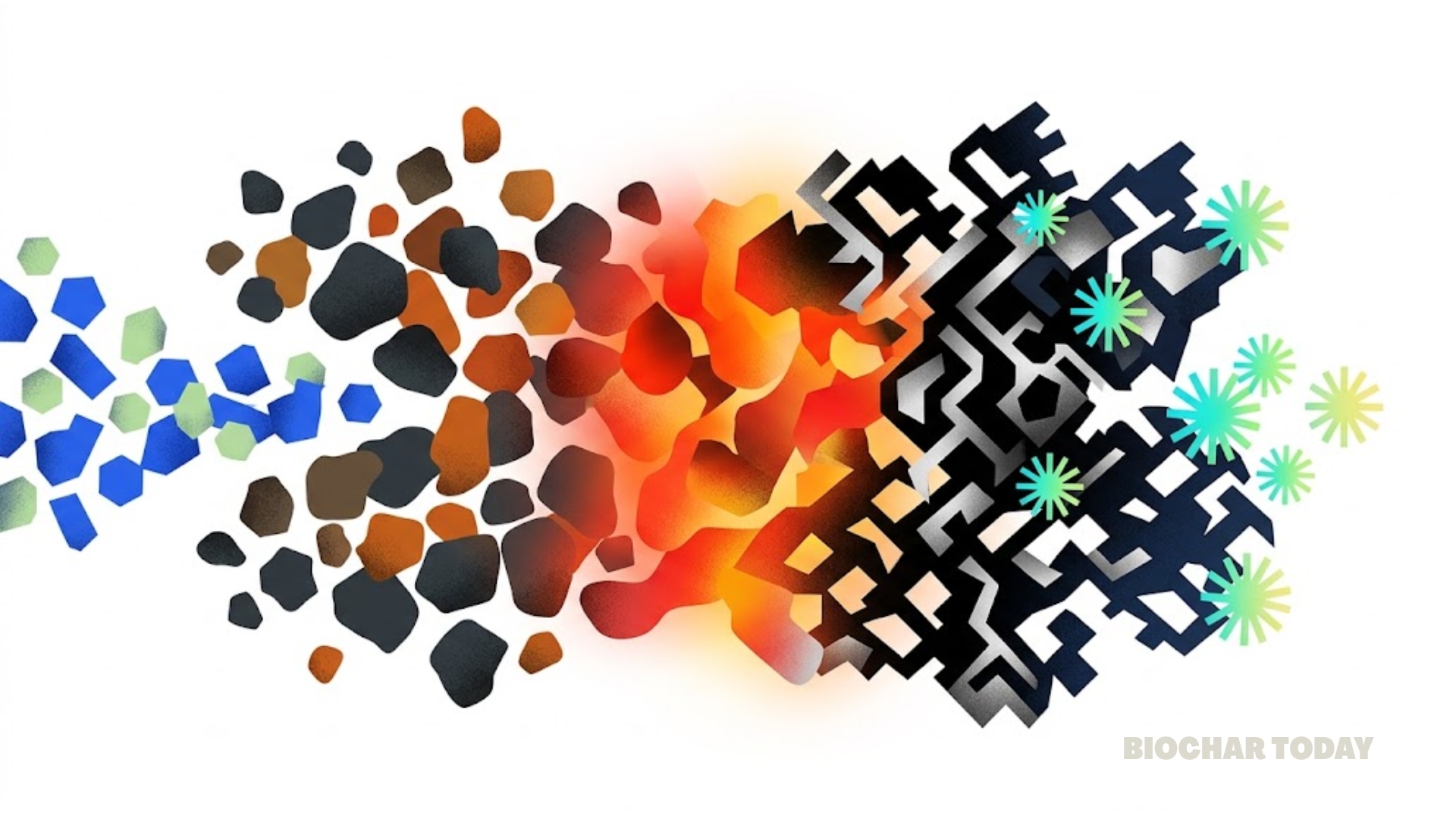
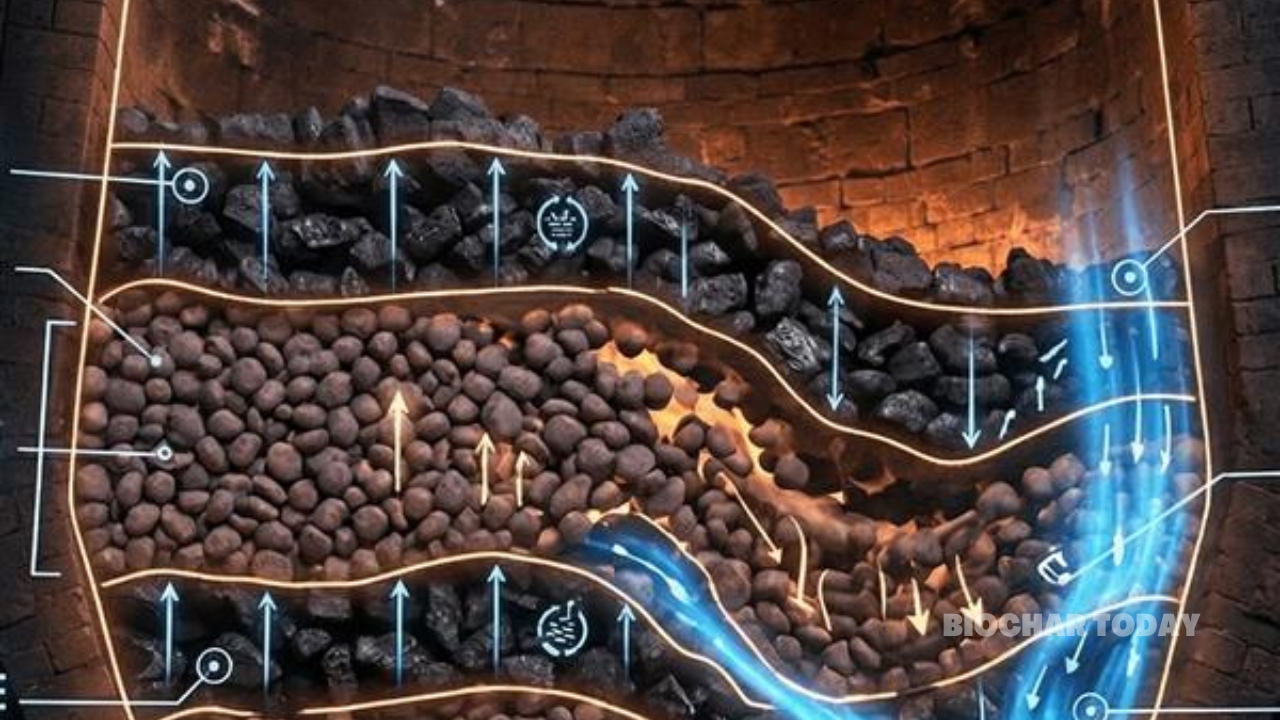
Waste Circology’s central offering is a fully automated system employing a conversion process, distinct from traditional incineration or combustion, to process various waste streams. The company’s name, “Waste Circology,” reflects a clear focus on circular economy principles. Taouk explained that the term was intentionally chosen to represent the scientific approach to cycling waste materials.
A key aspect of Waste Circology’s technology is its broad applicability across different waste types. While initially targeting municipal solid waste (MSW)Municipal Solid Waste (MSW) is the everyday trash or garbage produced by households and businesses. It includes a variety of materials, such as food scraps, paper, plastics, and yard waste. MSW forms a potential feedstock category for biochar production provided that it should be free More, their development efforts have expanded to include timber, construction debris (such as fiber cement board), various polymers like plastics and nylon, and even more complex waste streams like hospital waste and PVC. This versatility suggests a potential for addressing a significant portion of the waste currently destined for landfill.
The primary output of their system is a char material. For biomassBiomass is a complex biological organic or non-organic solid product derived from living or recently living organism and available naturally. Various types of wastes such as animal manure, waste paper, sludge and many industrial wastes are also treated as biomass because like natural biomass these More feedstocks, this is classified as biocharBiochar is a carbon-rich material created from biomass decomposition in low-oxygen conditions. It has important applications in environmental remediation, soil improvement, agriculture, carbon sequestration, energy storage, and sustainable materials, promoting efficiency and reducing waste in various contexts while addressing climate change challenges. More, a material recognized for its applications in soil amendmentA soil amendment is any material added to the soil to enhance its physical or chemical properties, improving its suitability for plant growth. Biochar is considered a soil amendment as it can improve soil structure, water retention, nutrient availability, and microbial activity. More and carbon sequestration. Taouk reported that their biochar exhibits high stability and nutrient content, properties desirable for agricultural use. He also noted the potential for carbon credits associated with biochar application, an increasingly relevant economic driver in this market.
Interestingly, Waste Circology has also developed a process for synthetic waste materials, yielding a char they term “synchar.” This distinction is important for regulatory and market acceptance within the biochar community. Taouk indicated promising results using synchar in applications like green concrete and as a potential additive in coal-based industrial processes.
A notable achievement discussed was Waste Circology’s engagement with BlueScope Steel, a major Australian steel manufacturer. BlueScope had been seeking a biochar with specific chemical and physical characteristics for blending with coal in their steel production, with the aim of reducing carbon dioxide emissions. After previous unsuccessful attempts, Waste Circology reportedly developed a biochar that met all fourteen of BlueScope’s stringent specifications within an 18-month timeframe. This development could have significant implications for reducing the carbon intensity of the steel industry, a sector with substantial global emissions. Taouk estimated a potential emission reduction of 40-45% in steel production through this application.
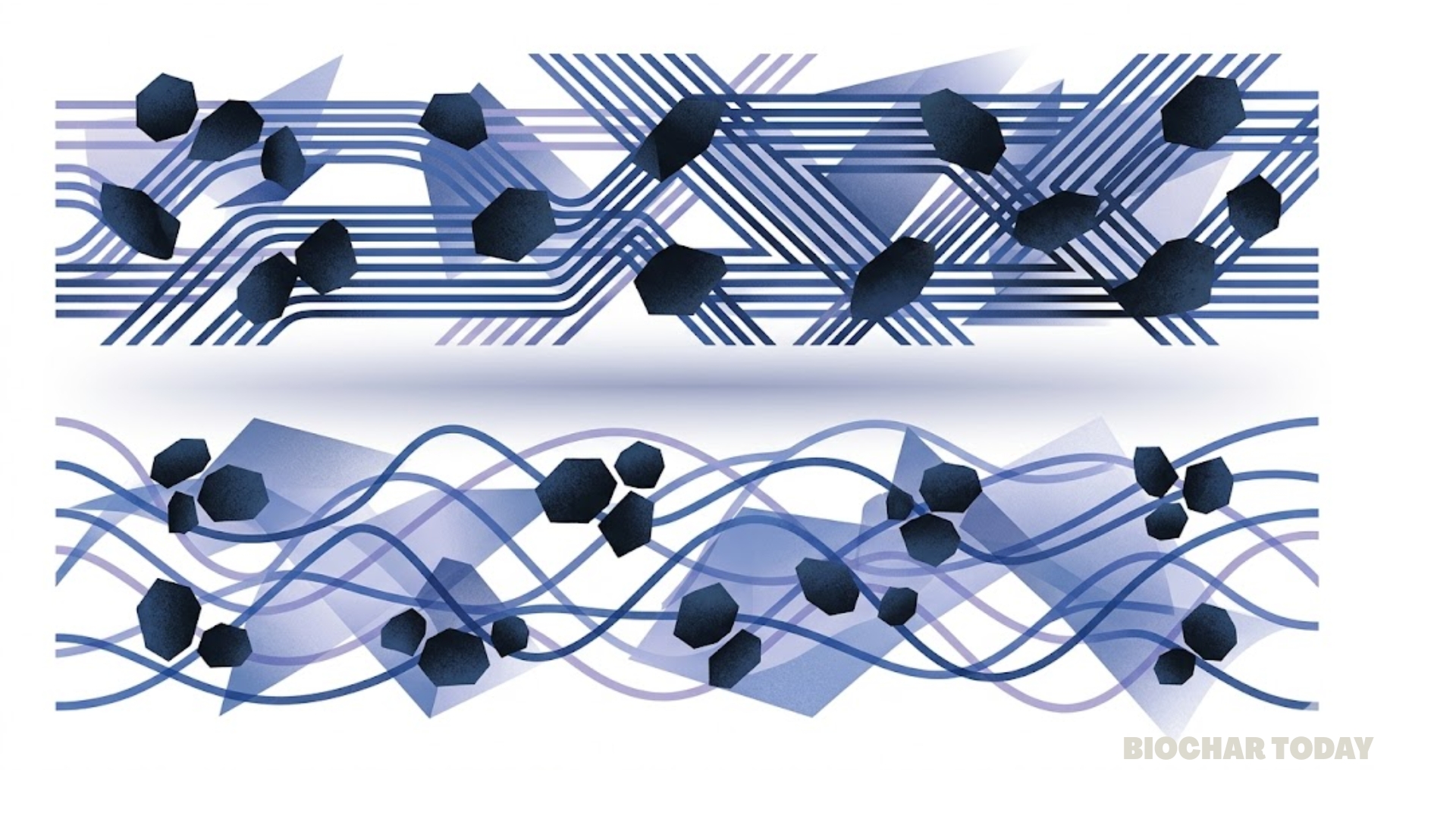
Furthermore, Waste Circology has addressed the critical issue of per- and polyfluoroalkyl substances (PFAS) contamination. In trials with sludge from Sydney Water, their technology reportedly achieved the elimination of PFAS from the resulting bio-solids without detectable transfer to the gas phase. This outcome, if validated through further independent analysis, could represent a significant advancement in the treatment of PFAS-contaminated waste, a growing environmental concern globally. Taouk attributed this success to specific chemical and mechanical mechanisms within their reactor.
Despite these advancements, Taouk outlined several challenges faced by Waste Circology. A primary obstacle in the Australian market is the limited understanding and awareness of biochar and its potential applications within industry and government sectors. He cited instances of large corporations being unfamiliar with biochar despite investments in conventional waste-to-energy technologies. The recent inclusion of “biochar” in Australian federal legislation indicates a gradual recognition of its potential.
Taouk expressed optimism about overcoming these hurdles and indicated that Waste Circology is now prioritizing international expansion. The company is currently in discussions with entities in Japan, including those in the nut shell processing and steel manufacturing sectors, as well as ongoing engagement with Sydney Water regarding their PFAS solution.
Looking ahead, Waste Circology is pursuing further development, termed “stage two,” focused on converting their char products into higher-value materials such as activated carbonActivated carbon is a form of carbon that has been processed to create a vast network of tiny pores, increasing its surface area significantly. This extensive surface area makes activated carbon exceptionally effective at trapping and holding impurities, like a molecular sponge. It is commonly More, carbon black, and graphene. Graphene, in particular, holds considerable promise in various advanced technology applications. Additionally, the company is in the early stages of exploring solutions for hydrogen energy storage and transportation.
The company’s focus on a versatile conversion process for a wide range of waste streams, coupled with reported successes in challenging areas like PFAS remediation and industrial emissions reduction, positions them as a potentially significant player in the evolving landscape of waste management and resource recovery. While market awareness and regulatory frameworks continue to develop, Waste Circology’s advancements warrant attention from industry stakeholders seeking innovative and sustainable solutions.


Leave a Reply