
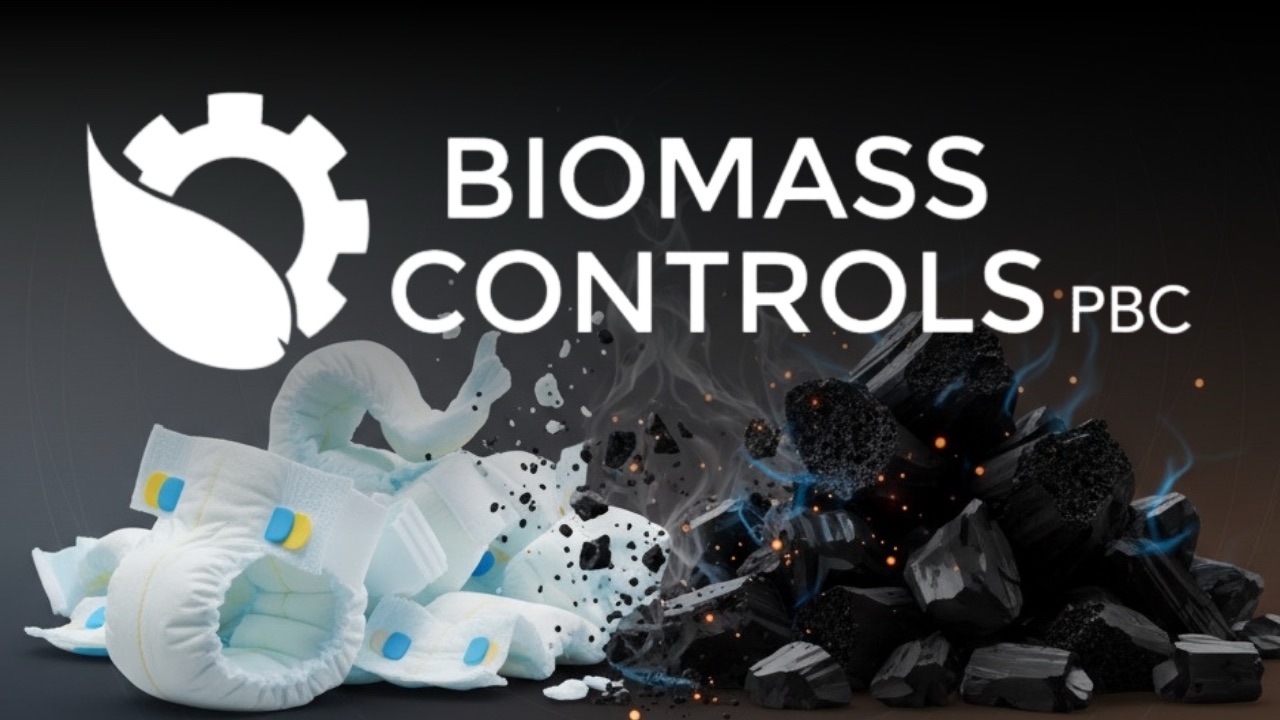
The story of BiomassBiomass is a complex biological organic or non-organic solid product derived from living or recently living organism and available naturally. Various types of wastes such as animal manure, waste paper, sludge and many industrial wastes are also treated as biomass because like natural biomass these More Controls PBC is one of deliberate evolution, driven by a clear understanding that true sustainability must be economically viable. The company moved beyond a single technological solution to build an integrated system that transforms diverse, high-moisture waste streams. A core lesson guided this strategic shift: the most impactful environmental technologies are those that can stand on their own financial merits, independent of external incentives like carbon credits. This focus on “insetting” (i.e., making internal process improvements) is not just a business model but a foundational principle for future-proofed operations
The Evolution of a Business Model
Biomass Controls’ origins trace back to 2010, with an initial focus on developing patents for emissions control. This early work laid the technical foundation for future endeavors, particularly the reduction of CO, Polycyclic Aromatic Hydrocarbons (PAHs) and particulate matter (PM2.5) from biocharBiochar is a carbon-rich material created from biomass decomposition in low-oxygen conditions. It has important applications in environmental remediation, soil improvement, agriculture, carbon sequestration, energy storage, and sustainable materials, promoting efficiency and reducing waste in various contexts while addressing climate change challenges. More kilns. A significant turning point came in 2013, when they were invited to participate in the Gates Foundation “Reinvent the Toilet Challenge.” This project compelled them to apply their technology to a new and complex feedstockFeedstock refers to the raw organic material used to produce biochar. This can include a wide range of materials, such as wood chips, agricultural residues, and animal manure. More: human waste. The goal was not just to treat waste but to convert it into a valuable soil amendmentA soil amendment is any material added to the soil to enhance its physical or chemical properties, improving its suitability for plant growth. Biochar is considered a soil amendment as it can improve soil structure, water retention, nutrient availability, and microbial activity. More, thereby addressing multiple Sustainable Development Goals (SDGs) related to sanitation, women’s health, and soil health. This engagement marked a critical fork in the road, steering the company toward a mission-driven approach to solving large-scale global problems.
The company’s evolution was further accelerated in 2015 when they converted to a Public Benefit Corporation (PBC) and acquired AgFuel Energy Systems, which broadened its scope from simply helping manufacturers meet EPA guidelines to providing full-scale systems. This move brought a new perspective on business models, as MFA Oil, the large cooperative that previously owned AgFuel, became and remains the largest outside investor in Biomass Controls. The company’s early expertise in EPA’s Best Available Control Technology (BACT) regulations provides a strong technical underpinning for its current systems. Founder and Executive Chair, Jeff Hallowell, noted that their early technology, a preheated catalytic converter, was capable of lowering the combustion temperature of gases to reduce harmful emissions like particulate matter and CO. This emphasis on low-temperature pyrolysisPyrolysis is a thermochemical process that converts waste biomass into bio-char, bio-oil, and pyro-gas. It offers significant advantages in waste valorization, turning low-value materials into economically valuable resources. Its versatility allows for tailored products based on operational conditions, presenting itself as a cost-effective and efficient More to avoid the generation of NOx is a key differentiator from high-temperature incineration.
The Economic Case for “Insetting”
Backed by over 20 patent awards, the modern Biomass Controls product is a “Biogenic Refinery,” a system engineered to process high-moisture organic materials, including manures, human waste, food waste, packaging, and textiles. A core component of their offering is the proprietary KELV°N® software platform. KELV°N® serves as a real-time Monitoring, Reporting, and Verification (dMRV) system, allowing for remote operation and adjustment to varying feedstock conditions. This is crucial for maintaining optimal emissions control, energy production, and, critically, the quality of the engineered biochar.
From a business model perspective, the company’s preference for long-term leases (10-20 years in the U.S.) is particularly noteworthy. This structure, which includes reporting, spare parts, monitoring, and software updates, positions the system as an operational expense rather than a capital one for clients. Hallowell revealed a significant finding: the systems’ economic justification is often based on operational cost reductions alone, specifically through decreased feedstock transportation and tipping fees. This means the return on investment (ROI) is delivered independently of revenue from carbon credits or biochar sales, making the adoption decision a straightforward economic one.
This financial model is a powerful market signal. While carbon credits are a welcome secondary benefit, the primary value proposition is cost savings. Hallowell argued for the concept of “insetting,” where companies improve their own infrastructure to achieve zero waste and a lower carbon footprint, rather than relying on purchasing offsets.
Overcoming Industry Obstacles
A major industry challenge identified by Hallowell is the current lack of integrated biochar datasets in the carbon accounting tools used by corporations. He explained that while Direct Air Capture (DAC) is easily quantifiable, the complexity of biochar from diverse feedstocks makes it difficult for existing Life Cycle Assessment (LCA) and Life Cycle Impact Assessment (LCIA) tools to model its environmental impact. Hallowell is committed to working with organizations like USBI and IBI to establish validated, third-party verified datasets for different feedstocks, technologies, and outputs. He also highlighted a key symbiotic relationship: DAC facilities should be co-located with biochar systems, as they can use the thermal energy and concentrated CO2 from the biochar process to significantly improve their capture rates.
The company’s feedstock focus is a deliberate choice, prioritizing septic tank waste and anaerobic digester output (digestate) over sewage. This focused approach ensures the quality and safety of the final biochar product for a range of applications, including land reclamation for mining sites, filtration of contaminants like PFAS, and as a component in materials for supercapacitors and batteries. A particularly unique example is the company’s partnership with Diaper Stork in Washington state, a service that provides compostable, bamboo-based diapers. Hallowell explained that while traditional composting struggles with textiles and extended breakdown cycles, Biomass Controls’ pyrolysis system processes diapers in a single day. This provides a sustainable end-of-life solution, diverting waste from landfills and addressing concerns about forever chemicals, pharmaceuticals, and microplastics entering the compost stream.
Key Takeaways and Lessons Learned
- Economic Justification Compliments Environmental Impact. For broad market adoption, the economic case must be compelling on its own merits. By focusing on reducing an organization’s operational costs like transportation and landfill tipping fees, Biomass Controls created a value proposition that delivers a double impact for the environment and the user.
- Holistic Solutions and Insetting are the Future. The shift from a single technology (emissions control) to a comprehensive system (Biogenic Refinery) is a critical lesson in market strategy. The future of corporate sustainability lies not in buying offsets but in making tangible, internal improvements to their own infrastructure and supply chains.
- Data Gaps Hinder Market Growth. The biochar industry’s lack of validated, third-party verified datasets within mainstream sustainability accounting tools is a major bottleneck to widespread adoption. The industry as a whole must prioritize collecting and standardizing this data to empower corporations to make informed decisions and fully integrate biochar into their sustainability strategies.
- Specialized Feedstocks Lead to Engineered Products. By focusing on specific, high-value feedstocks, Biomass Controls is moving beyond commodity biochar and toward engineered products with specific, high-value applications. This product differentiation is key to creating new markets in areas like land remediation and advanced materials.


Leave a Reply