

A recent study published in the Journal of Water Process Engineering highlights how walnut shell (WS) biocharBiochar is a carbon-rich material created from biomass decomposition in low-oxygen conditions. It has important applications in environmental remediation, soil improvement, agriculture, carbon sequestration, energy storage, and sustainable materials, promoting efficiency and reducing waste in various contexts while addressing climate change challenges. More can improve anaerobic digestion of excess sludge, leading to efficient carbon-energy recovery. Anaerobic digestion, a process that converts sludge into methane, is a promising alternative to fossil fuels but is often hindered by slow carbon release and conversion rates.
The research demonstrates that WS biochar accelerates carbon release by 16.56%, with 62.84% of the carbon being converted into energy. This process significantly increases the migration rate of carbon and shortens the lag time for methane production. Over a 16-day period, WS biochar increased the carbon recovery rate to 23.54%.
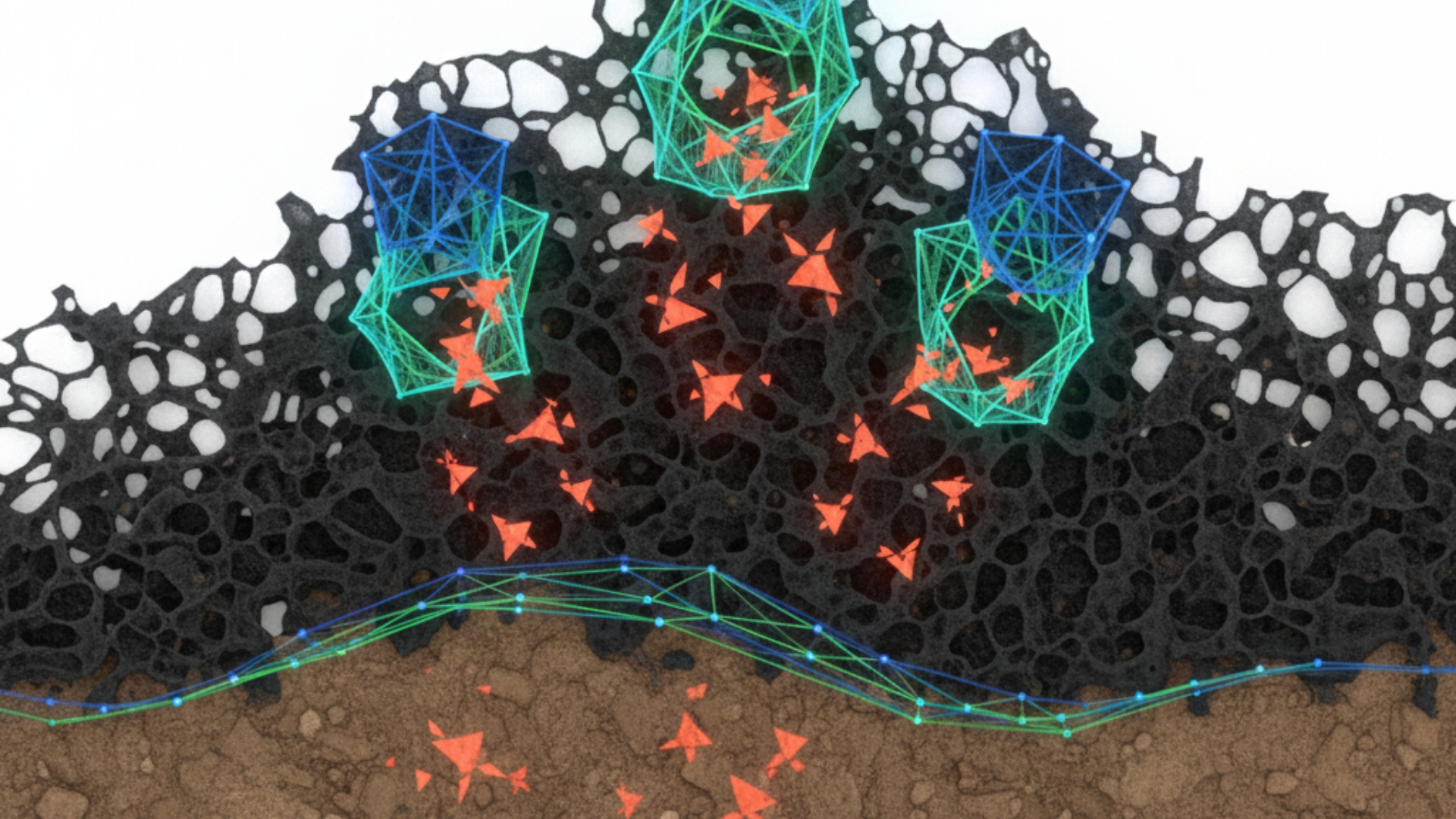
The biochar works by enhancing microbial activity, particularly bacteria like Clostridia and Methanosarcina, which are essential for methane production. It also facilitates direct interspecies electron transfer (DIET), further boosting the process. Walnut shell biochar’s unique properties, including its microporous structure and high carbon content, make it an efficient mediator in this digestion process.
This study suggests that WS biochar offers a sustainable, low-cost solution for improving anaerobic digestion in wastewater treatment plants. By facilitating faster and more efficient carbon transformation, WS biochar can play a key role in renewable energy production while addressing the challenges of excess sludge management.



Leave a Reply